Wisdom Tooth Removal in Chicago, IL
Quick Links
Why Should Wisdom Teeth Be Removed?
Wisdom teeth don’t always cause problems right away, which is why many patients are surprised to learn they may need to have them removed before they even start to feel anything or realize that they’re there. These teeth typically begin developing in the late teens or early twenties, and during routine visits, a dentist keeps an eye on how they’re growing. When it becomes clear that the wisdom teeth may cause trouble down the road, it’s often encouraged to have them removed before any discomfort or complications have a chance to start.
One of the most common concerns is impaction. An impacted wisdom tooth grows at an angle and stays trapped beneath the gum, which can quietly create pressure on nearby teeth and roots. Because these teeth never fully break through the surface, they can become vulnerable to infection. Over time, this can lead to swelling, discomfort, and even the development of cysts around the tooth. Removing an impacted wisdom tooth helps protect the surrounding teeth to preserve long-term oral health.
Even wisdom teeth that do manage to come in can cause issues. They can crowd the smile, shift other teeth out of alignment, or create areas where food and bacteria can easily collect. If infection develops, it can spread to nearby tissues and contribute to gum disease. By choosing to remove wisdom teeth before they can become a problem, patients are taking a proactive step to avoid discomfort and protect the health of their smile.
What Is Wisdom Tooth & Impacted Wisdom Tooth Removal?
Wisdom tooth removal is a common oral surgery procedure designed to help patients avoid the discomfort and complications these back molars can cause. For many people, there simply isn’t enough room in their mouth for wisdom teeth to grow in comfortably. When that happens, the teeth may only partially emerge or stay completely beneath the gums. In either case, patients often benefit from having them removed before they begin causing pain or affecting nearby teeth.
When a wisdom tooth is impacted, it means the tooth is trapped beneath the gum or growing at an angle. Because it can’t break through the gums normally, the tooth can press against other teeth, create swelling, or lead to an infection that is difficult to manage at home. Impacted wisdom tooth removal is a gentle, carefully planned procedure that allows Dr. Martin to access the tooth, remove it safely, and protect the surrounding tissue.
What Are the Benefits of Wisdom Tooth Removal?
Removing wisdom teeth can offer several meaningful benefits for a patient’s long-term comfort and oral health, including:
Protecting Neighboring Teeth
Wisdom teeth often push against surrounding teeth, which can cause shifting, crowding, or pressure. Removing them helps keep the rest of the smile stable and comfortable.
Reduce the Risk of Infection
Because wisdom teeth are difficult to clean and floss, especially if they are partially erupted or impacted, bacteria can easily become trapped. Removal helps prevent recurring infections, swelling, and discomfort.
Prevent Cysts
Impacted wisdom teeth can cause cysts or damage nearby roots and bone. Taking them out early helps avoid these hidden complications.
Support Healthier Gums
When bacteria collect around wisdom teeth, they can contribute to gum inflammation or gum disease. Removal of wisdom teeth helps protect the health of the surrounding tissue.
Avoid Future Discomfort
Even if wisdom teeth aren’t causing pain yet, removing them before problems develop helps patients avoid sudden flare-ups or emergency visits later on.
Provide Peace of Mind
Many patients feel more at ease knowing they’ve taken a proactive step in protecting their oral health and preventing future issues.
Are You a Candidate for Wisdom Tooth or Impacted Wisdom Tooth Removal in Skokie, IL?
Many people aren’t sure whether their wisdom teeth actually need to come out, and that’s completely understandable. These teeth don’t always cause obvious symptoms at first, which is why regular dental checkups and imaging play such an essential role. In most cases, patients become candidates for wisdom tooth or impacted wisdom tooth removal when their dentist or oral surgeon notices that the teeth may cause problems down the road.
Patients may be good candidates for removal if:
- Wisdom teeth have become impacted
- There isn’t enough room for wisdom teeth to fully come in
- They’re experiencing discomfort, swelling, tenderness, or gum irritation
- They’ve had recurring infections near the back of the mouth
- Their dentist has noticed changes on x-rays that could pose a future complication
Potential patients should also be in good overall health, with sufficient oral hygiene, and can sustain dental sedation. At Oral and Facial Surgery of the NorthShore, Dr. Stephen Martin takes time to evaluate each patient’s unique situation. He explains what he sees, what it means, and how removal may help protect long-term oral health.
Wisdom Tooth & Impacted Wisdom Tooth Removal Process at Oral and Facial Surgery of the NorthShore in Chicago, IL
For many patients, the idea of having surgery on their mouth can feel overwhelming. Dr. Martin understands this, which is why he’s designed the entire process to be clear, comfortable, and supportive from start to finish. Every step is explained in a way that helps patients feel cared for and confident in their decision to have their wisdom teeth removed.
The Consultation
Wisdom tooth or impacted wisdom tooth removal starts with a gentle, informative consultation. Dr. Martin reviews x-rays, listens to any concerns, and shows exactly what’s happening beneath the gums. Patients are encouraged to ask questions, share how they’re feeling, and take their time making a decision. The consultation process helps Dr. Martin create a personalized plan that fits each patient’s unique needs.
Preparing for the Procedure
Once a plan is created, patients receive guidance on how to prepare for their appointment. Dr. Martin and his team walk them through what to expect, discuss sedation options, and make sure they feel supported before the day of surgery arrives.
The Removal Procedure
On the day of the removal procedure, patients are welcomed into a calm, supportive environment where every step is explained in a way that helps them feel at ease. Once the patient is comfortable and the anesthesia has taken effect, Dr. Martin begins the removal process. For wisdom teeth that have already erupted, removal is often straightforward. Dr. Martin carefully loosens the tooth and guides it out in a smooth, controlled motion. Patients typically feel gentle pressure rather than discomfort due to the numbing and sedation used.
For impacted wisdom teeth, Dr. Martin makes a small opening in the gum to access the tooth. He’ll then loosen the tooth and guide it out with as little disruption as possible.
Once the tooth is out, the area is thoroughly cleaned and protected to support healthy healing. Dr. Martin places a few small stitches when necessary, and patients are guided through the next steps with clear at-home instructions.
Recovery
Once the procedure is complete, patients receive clear, easy-to-follow instructions for healing at home. Dr. Martin provides guidance on managing swelling, caring for the surgical area, and easing back into normal routines. He and his team remain available to answer any questions and offer continued support as patients continue to heal.
Schedule a Consultation
From wisdom teeth to complex facial procedures, Dr. Stephen Martin delivers precise, compassionate surgical care designed to restore comfort, function, and confidence. We invite you to schedule your consultation by calling (224) 623-0709 or completing our convenient consultation form.
Sedation Options for Wisdom Tooth Removal
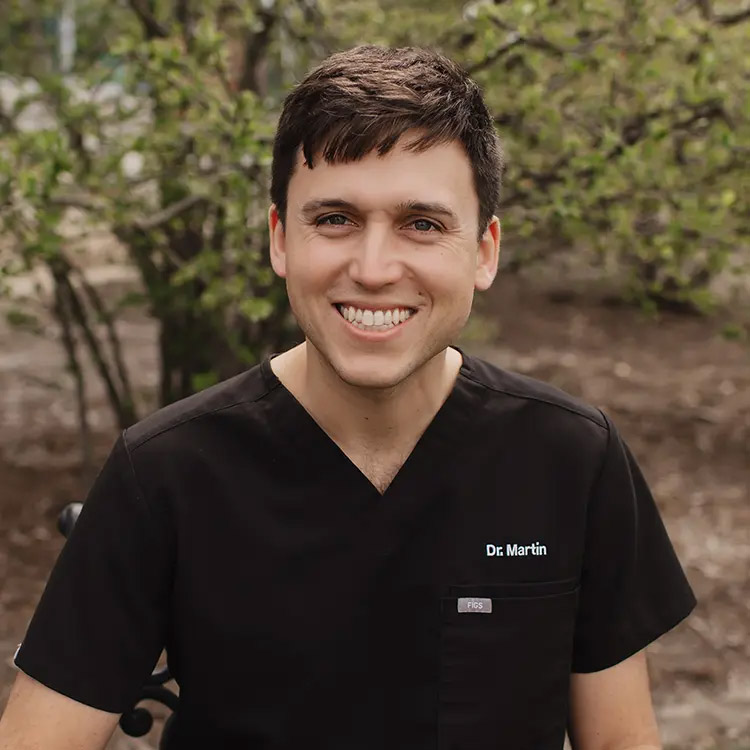
At Oral and Facial Surgery of the NorthShore, our team works hard to create an environment that cultivates feelings of relaxation and comfort. However, dental anxiety is a real thing and oral surgery of any kind can be a major trigger. Dr. Martin offers several safe and effective sedation options to help patients relax in a way that feels best for them. Each option is chosen with comfort in mind. Dr. Martin will take time during the consultation to talk through what patients can expect and which level of sedation may be the most reassuring for their wisdom tooth extraction.
Local Anesthesia
Local anesthesia numbs the area around the wisdom teeth, so patients won’t feel pain during the procedure. While patients remain fully awake, the numbing effect keeps them completely comfortable so all they feel is light pressure. Local anesthesia is ideal for individuals who don’t have much dental anxiety, feel at ease in the dental setting, and prefer a simple approach.
Nitrous Oxide (Laughing Gas)
Nitrous oxide is a gentle, inhaled sedation that helps patients feel relaxed and at ease within minutes. It creates a light, calming sensation without putting patients to sleep. Because the effects wear off quickly once the gas is stopped, many patients appreciate how easy and convenient this option is. It’s especially helpful for those who feel mild to moderate anxiety about their procedure.
Oral Sedation
Oral sedation involves taking prescribed medication before the appointment to help patients feel deeply relaxed. While still awake and able to respond, patients often feel detached from the sights and sounds of the procedure, making the experience more comfortable. Because the calming effects can last for several hours, patients will need someone to drive them to and from their appointment.
IV Sedation
For patients who prefer a deeper level of relaxation, IV sedation offers a calm, dream-like state throughout the procedure. Dr. Martin carefully monitors the patient’s comfort and safety the entire time. Many patients remember little to nothing about the procedure afterward, which can be especially reassuring for those with significant dental anxiety or for more complex wisdom tooth removals.
Recovery After Wisdom Tooth & Impacted Wisdom Tooth Removal
Recovery after wisdom tooth removal can be surprisingly manageable and quick with the right guidance. Dr. Martin and his team ensure every patient leaves with clear instructions, helpful tips, and the reassurance that they’re cared for long after the appointment is over.
In the first few days, it’s normal to experience swelling, tenderness, or stiffness in the jaw, which are completely normal effects that will gradually resolve in a few days. Dr. Martin will also provide detailed aftercare steps and tips to help patients stay comfortable, including how to manage swelling, what foods are easiest to eat, and how to keep the surgical area clean without disturbing the healing tissue.
In the first few days, patients should prioritize rest while the mouth heals. Most patients can return to normal routines within a couple of days, depending on the extent of their procedure. Smoothies, soups, yogurts, and other soft foods are generally safe to eat without putting too much pressure on the healing areas. Dr. Martin will also explain how to gently brush, rinse, and avoid disturbing the area to support healthy healing. Any discomfort can typically be managed with over-the-counter pain medication or medication prescribed by Dr. Martin. If patients have any questions or need reassurance at any point, Dr. Martin and his team are available to help and healing is monitored closely to ensure everything is progressing as expected.
Why Choose Oral and Facial Surgery of the NorthShore for Wisdom Tooth Removal?
At Oral and Facial Surgery of the NorthShore, Dr. Stephen Martin has built an environment where comfort and compassion are just as essential as clinical skill. Patients aren’t simply “treated,” they’re cared for in a way that makes the entire experience feel more personal. We believe that patients remember how they felt during their care just as much as the results achieved. For this reason, Dr. Martin’s approach is rooted in communication, patience, and respect. He takes time to explain what’s happening, answer questions, and make sure patients feel comfortable with him. No one is rushed, and no concern is ever too small.
Patients also benefit from Dr. Martin’s extensive training and commitment to advanced techniques and the latest technologies. He is a highly skilled, board-certified oral and maxillofacial surgeon with a strong academic and clinical background. After graduating with honors from Furman University, he earned his dental degree from the Medical University of South Carolina, where he received recognition for outstanding performance in oral and maxillofacial surgery. He then completed a rigorous four-year residency at John H. Stroger Jr. Hospital of Cook County and Rush University Medical Center, serving as Chief Resident in his final year.
Most importantly, the entire team at Oral and Facial Surgery of the NorthShore shares the same philosophy: patients should feel safe, heard, and genuinely cared for at every step. Modern technology and advanced techniques are paired with a personal touch, creating an experience that feels both skilled and deeply supportive. For patients facing wisdom tooth removal, this combination of expertise and heartfelt care makes all the difference.
Schedule Your Wisdom Tooth or Impacted Wisdom Tooth Removal Consultation at Oral and Facial Surgery of the NorthShore
To learn more about wisdom tooth removal or impacted wisdom tooth removal at Oral and Facial Surgery of the NorthShore, call our office at (224) 623-0709 or complete our online consultation form, and a member of our patient care team will reach out to you shortly to schedule your consultation. Proudly serving patients in Evanston, IL, Skokie, IL, Lincolnwood, IL, Chicago, IL, Morton Grove, IL, Niles, IL, Wilmette, IL, Winnetka, IL, Northfield, IL, Park Ridge, IL, and Glenview, IL.
Wisdom Tooth Removal & Impacted Wisdom Tooth Removal FAQs
What are some of the symptoms of a wisdom tooth coming in?
Some wisdom teeth come in with few or no symptoms, but some present with discomfort, redness, or swelling in the back of the jaw. If any symptoms start to occur, they should be examined by a dental health professional immediately. Dr. Martin will keep an eye on the growth and development of wisdom teeth during regular checkups and will recommend his removal at the appropriate time.
Does having a wisdom tooth removed hurt?
Some discomfort after a wisdom tooth is removed is perfectly normal and manageable. To help patients remain comfortable, Dr. Martin offers several different types of anesthesia while can be discuss during the initial consultation. He’ll also include information on how to manage any post-operative discomfort, so patients can remain comfortable while at home and healing. It’s normal to feel sleepy for the first 24 hours, and pain can generally be managed with ice packs and over-the-counter medications after surgery.
Should everyone have their wisdom teeth removed?
Not everyone will need to have their wisdom teeth removed, but most people do. In most cases, people don’t have enough room in their mouth for four extra teeth. Additionally, wisdom teeth can be incredibly difficult to reach for proper brushing and flossing, making them traps for debris leading to cavities. It’s best to be proactive about removing them before they can cause further problems in the future.
Why should I have my wisdom teeth removed by an oral surgeon?
An oral surgeon is uniquely qualified to remove wisdom teeth due to their years of education and training performing invasive procedures like wisdom teeth removal and other oral surgery procedures. They are also uniquely qualified to administer anesthesia for the comfort of their patients.
How long is the average recovery time after wisdom teeth removal?
On average, patients who have their wisdom teeth removed are able to return to school, work, or regular activities within 2 to 4 days after their surgery, barring any complications during recovery. They should continue to eat soft foods for up to seven days, or until the surgical area is completely healed. They should also avoid using a straw or smoking, as any type of sucking motion can dislodge the blood clot and cause a painful dry socket that may prolong their recovery.
Can all four wisdom teeth be removed at the same time?
Yes. When several wisdom teeth need to be
removed, they can often be addressed during the same procedure. This lets
patients complete treatment and recovery in one visit rather than scheduling
multiple surgeries. Dr. Martin evaluates the position and development of each
wisdom tooth before recommending the most appropriate approach.
What if only one or two wisdom teeth are causing problems?
Not every patient has the same number of wisdom teeth, and not every wisdom tooth develops in the same way. If only one or two teeth require removal, Dr. Martin can evaluate the remaining teeth individually to determine whether they can be safely monitored or whether removing them may help prevent future concerns.
How long does wisdom tooth removal take?
The procedure length depends on how many teeth are removed, whether they have erupted or remain impacted, and how complex their position is. Dr. Martin reviews these details during the consultation so that patients have a clearer idea of what to expect on the day of surgery.
Can wisdom teeth grow back after they are removed?
No. Once a wisdom tooth has been completely removed, it does not grow back. Some patients naturally develop fewer than four wisdom teeth, while others may have additional teeth that dental imaging can identify.
Will wisdom tooth removal change the shape of the face?
Wisdom tooth removal is not intended to change a patient’s facial shape or appearance. Temporary facial swelling may make the cheeks or jaw look slightly fuller during the first few days of recovery, but this gradually improves as healing progresses.
When can patients exercise after wisdom tooth removal?
Patients are generally encouraged to take it easy during the early stages of recovery. Strenuous exercise, heavy lifting, and vigorous sports can place unnecessary stress on the healing area. Dr. Martin provides individualized instructions for returning to exercise based on the extent of the procedure and how recovery is progressing.
Can wisdom teeth be removed while a patient has braces?
In many cases, yes. Wisdom tooth removal can be performed before, during, or after orthodontic treatment when appropriate. Dr. Martin can coordinate with a patient’s dentist or orthodontist as needed so that wisdom tooth treatment fits into the broader dental plan.
When should a patient contact the office during wisdom tooth removal recovery?
Patients are encouraged to contact Oral and Facial Surgery of the NorthShore whenever something about recovery does not feel right, or they have questions about their instructions. Increasing swelling, persistent bleeding, worsening discomfort, fever, or other unexpected changes should be discussed with the office so Dr. Martin and his team can determine whether an evaluation is needed.
At what age should wisdom teeth be evaluated for removal?
Wisdom teeth commonly begin developing during the teenage years, although the timing is different for every patient. Dental imaging can help Dr. Martin evaluate their position, available space, and direction of growth before symptoms develop. Early evaluation can make it easier to determine whether the teeth should be monitored or whether removal may be beneficial.
Will I need stitches after wisdom tooth removal?
Not every wisdom tooth removal requires stitches. They may be placed when Dr. Martin needs to make an opening in the gum to access an impacted tooth or when closing the area will support healing. Patients receive specific instructions for caring for the surgical area before leaving the office.
Is it easier to remove wisdom teeth before they start causing problems?
In some cases, removing wisdom teeth before they become symptomatic can help patients avoid complications such as inflammation, infection, or damage to nearby teeth. The best timing depends on how the teeth are developing and their position beneath the gums. Dr. Martin evaluates each patient’s imaging and oral health before recommending whether removal or continued monitoring is appropriate.