
3D Guided Implant Surgery in Chicago, IL and Skokie, IL
3D guided implant surgery is a more precise and modern solution to dental implant placement that is designed to improve accuracy and support an enhanced experience.
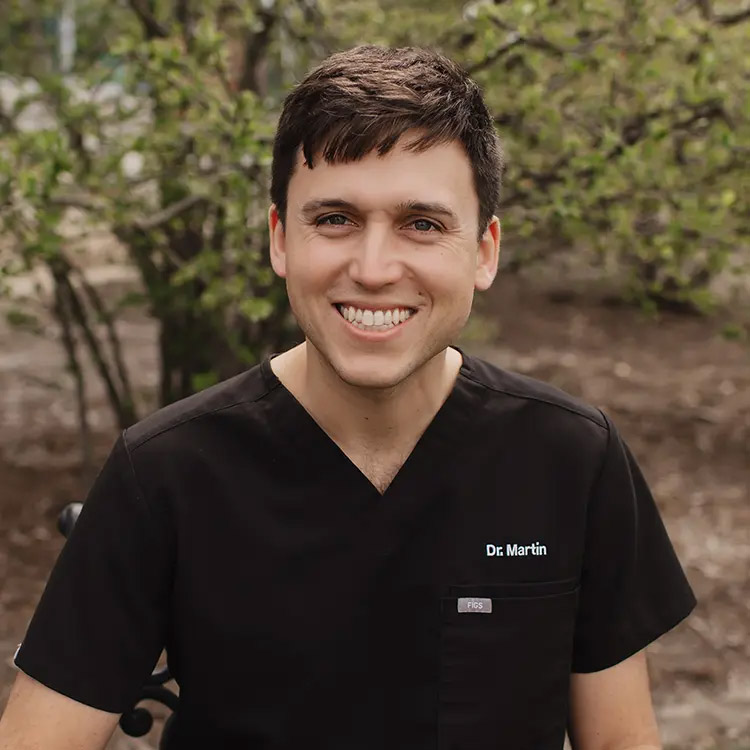
At Oral and Facial Surgery of the NorthShore, Dr. Stephen Martin believes patients should feel cared for at every step. That philosophy is part of everything we do, from the consultation process to advanced digital planning and attentive follow-up care. For patients considering dental implants in Chicago, IL, 3D guided implant surgery enables Dr. Martin to plan implant placement with remarkable detail before the procedure even begins.
To learn more about 3D guided implant surgery in Chicago, IL, and Skokie, IL, we invite patients to call our office at (224) 623-0709 or reach out online today.
Quick Links
- What Is 3D Guided Implant Surgery?
- How Does 3D Guided Implant Surgery Work?
- What Are The Benefits Of 3D Guided Implant Surgery?
- Who Is A Candidate For 3D Guided Implant Surgery?
- Where Is 3D Guided Implant Surgery Used?
- What Is The Process For 3D Guided Implant Surgery?
- What Sedation Options Are Available For 3D Guided Implant Surgery?
What Is 3D Guided Implant Surgery?
3D guided dental implant surgery is an advanced method of placing dental implants using digital imaging, virtual treatment planning, and a custom surgical guide. Instead of relying only on visual estimation during surgery, Dr. Martin uses detailed scans of the teeth, gums, jawbone, and surrounding anatomy to determine the ideal implant position before the procedure takes place.
This process often begins with digital imaging, such as a cone beam CT scan, and may also include digital impressions or surface scans. These images are combined to create a three-dimensional view of the patient’s anatomy. From there, Dr. Martin can carefully evaluate bone structure, spacing, angulation, and the final restorative goals before moving forward.
Once the implant position is planned, a custom guide is created to help transfer that plan to the surgical setting with a high degree of precision. This allows implant placement to be performed efficiently, with control, and in a highly individualized manner.
Before moving forward with care, patients are given time to ask questions, review the process, and feel fully comfortable with the plan.
How Does 3D Guided Implant Surgery Work?
3D guided implant surgery works by combining advanced imaging with digital planning tools to create a clear roadmap for implant placement.
First, detailed images of the mouth and jaw are taken. These scans help Dr. Martin evaluate the available bone, nearby tooth roots, sinus spaces, and important nerves. He then uses this information to plan exactly where the dental implant should be placed for the most stable and functional result.
Once the planning is complete, a custom surgical guide is made. This guide is designed to fit securely over the teeth or gums during the procedure and helps with direct implant placement according to the digital plan. In other words, the surgery is carefully prepared before the patient even arrives for treatment.
This guided approach can be especially helpful when precision matters most, such as cases involving limited space, reduced bone volume, or implants in highly visible areas of the smile. It also complements Dr. Martin’s interest in using advanced techniques and modern technology to deliver stable, long-term outcomes.
What Are the Benefits of 3D Guided Implant Surgery?
3D guided implant surgery offers several meaningful benefits for both the planning process and the surgical experience.
Greater Precision
Because implant placement is digitally mapped in advance, Dr. Martin can determine the ideal angle, depth, and position of the implant with far more detail than traditional planning alone.
More Personalized Treatment Planning
Every patient’s anatomy is different. Guided implant surgery allows treatment to be tailored to the patient’s available bone, surrounding teeth, and long-term restorative needs.
Improved Efficiency
Careful digital planning can make the procedure itself more streamlined. When the surgical steps are mapped out beforehand, treatment often feels more organized and predictable.
Better Support for Restorative Outcomes
Implants are not placed in isolation. They must also support a functional, natural-looking final tooth or restoration. Guided planning helps ensure the implant is positioned with that end result in mind.
A More Modern Surgical Experience
Many patients appreciate knowing their care is being planned with advanced imaging and technology rather than guesswork. This can help them feel more confident moving forward.
Helpful for Simple and Complex Cases
3D guided implant surgery can be valuable for single-tooth replacement, multiple implants, and more advanced cases that may involve limited bone, difficult positioning, or coordination with bone grafting or immediate dental implants.
Who Are Good Candidates for 3D Guided Implant Surgery?
Many patients who are candidates for dental implants may also be candidates for 3D guided implant surgery. In general, this approach is especially helpful for patients who want a highly precise treatment plan or who may benefit from more advanced pre-surgical mapping.
Patients may be good candidates if they:
- Are missing one or more teeth
- Have healthy enough gums and bone to support implants, or are open to preparatory procedures
- Want a modern, digitally planned approach
- Are considering same-day implants or coordinated extraction and implant treatment
- Have an area where anatomy makes precision especially important
- Want long-term function and stability from their tooth replacement
Some patients may need additional treatment before implant placement, such as a bone graft or tooth extraction. During the consultation, Dr. Martin takes time to explain what he sees, the available options, and whether guided implant surgery can help achieve the best possible result.
Where Is 3D Guided Implant Surgery Used?
3D guided implant surgery can be used in many different areas of the mouth and for many different treatment goals.
It may be recommended for:
- Single missing teeth
- Multiple missing teeth
- Implant-supported bridges
- Implant-supported dentures
- Immediate implant placement after extraction
- Areas with limited bone or challenging anatomy
- Front teeth where precise positioning is especially important
- Full-arch implant planning in select cases
Because the planning is so detailed, this technology is useful in both straightforward and more complex implant procedures. For patients in Chicago, IL and Skokie, IL who want a more carefully mapped-out approach to tooth replacement, this can be a major advantage.
Schedule a Consultation
From wisdom teeth to complex facial procedures, Dr. Stephen Martin delivers precise, compassionate surgical care designed to restore comfort, function, and confidence. We invite you to schedule your consultation by calling (224) 623-0709 or completing our convenient consultation form.
What Happens During 3D Guided Implant Surgery?
For many patients, it is reassuring to know that a great deal of work happens before the procedure begins. One of the advantages of guided implant surgery is that the planning process is incredibly detailed.
Consultation and Digital Planning
The process begins with a thorough consultation. Dr. Martin reviews the patient’s health history, examines the mouth, and obtains the necessary digital images. He explains the condition of the bone and surrounding structures, discusses the restorative goals, and answers questions in a way that helps patients feel informed rather than overwhelmed.
This reflects the way Dr. Martin prefers to approach care overall: with thorough explanations, visual aids, and enough time for patients to feel comfortable with both the diagnosis and the plan.
Surgical Guide Creation
Once the digital plan is finalized, a custom guide is fabricated based on the exact implant position Dr. Martin has mapped out. This guide becomes an important part of the procedure and helps translate the virtual plan into the surgical setting.
Implant Placement
On the day of surgery, the area is carefully numbed, and sedation options are reviewed as necessary. The surgical guide is positioned, and Dr. Martin places the implant according to the digital plan. Because the implant position has already been mapped out in advance, the procedure is highly controlled and deliberate.
Depending on the case, implant placement may occur on its own or in coordination with other procedures such as extraction, bone grafting, or immediate provisional treatment.
After the Procedure
Once the implant is in place, patients receive detailed instructions for healing at home. Follow-up appointments are arranged so healing can be monitored and the next phase of treatment can be planned appropriately.
Why Choose Oral and Facial Surgery of the NorthShore for 3D Guided Implant Surgery?
Implant surgery requires careful planning, technical precision, and making sure the patient feels supported throughout the process.
At Oral and Facial Surgery of the NorthShore, Dr. Martin combines advanced training with a very personal approach to care. He has emphasized that patients remember how they were made to feel, and that belief shapes the way he and the team approach consultations, surgery, and follow-up. Patients are not rushed, and we encourage voicing all questions and concerns.
Dr. Martin is a board-certified oral and maxillofacial surgeon with extensive training in dentoalveolar surgery and dental implants. His background includes honors at Furman University, dental education at the Medical University of South Carolina, and a rigorous oral and maxillofacial surgery residency at John H. Stroger Jr. Hospital of Cook County and Rush University Medical Center, where he served as Chief Resident. He also has a special interest in dental implants and advanced implant techniques.
Just as important, Dr. Martin specifically noted that his practice uses 3D printing and digital navigation software for guided placement of dental implants to ensure precise and accurate placement. That technology-driven approach, combined with thoughtful communication and attentive care, is exactly what many patients are looking for when considering implant treatment in Chicago, IL, and Skokie, IL.
Sedation Options for 3D Guided Dental Implant Surgery
At Oral and Facial Surgery of the NorthShore, creating a calm and supportive environment is an important part of the experience. Even with the added reassurance of advanced digital planning, it is completely normal for patients to feel some level of anxiety before implant surgery. Dr. Martin offers a range of safe, carefully selected sedation options to help patients feel comfortable and at ease throughout the procedure.
Each option is discussed in detail during the consultation so that patients understand what to expect and can choose the level of relaxation that feels right for them.
Local Anesthesia
Local anesthesia is used to thoroughly numb the area where the implant will be placed. Patients remain awake but comfortable, typically feeling only light pressure during the procedure. This option works well for patients who feel relatively at ease and prefer a more straightforward approach.
Nitrous Oxide (Laughing Gas)
Nitrous oxide is a gentle, inhaled option that helps patients feel relaxed within minutes. It creates a calm, slightly floating sensation while allowing patients to remain awake and responsive. Because it wears off quickly after the procedure, many patients appreciate the convenience and ease of recovery.
Oral Sedation
Oral sedation involves taking a prescribed medication before the appointment to promote a deeper sense of relaxation. Patients often feel calm and less aware of the procedure, while still able to respond when needed. Since the effects can last for several hours, arrangements should be made for transportation to and from the appointment.
IV Sedation
For patients who prefer a more immersive level of relaxation, IV sedation provides a deeply calming, dream-like experience. Dr. Martin closely monitors the patient throughout the procedure to ensure comfort and safety. Many patients remember very little afterward, which can be especially reassuring for those undergoing more involved implant procedures.
Recovery After 3D Guided Implant Surgery
Recovery after 3D guided implant surgery is often very manageable, especially when patients follow their post-operative instructions closely. Some swelling, tenderness, and mild soreness are normal in the first few days, but these effects generally improve steadily.
Patients are usually advised to:
- Rest for the remainder of the day after surgery
- Use cold compresses as directed
- Follow instructions for oral hygiene
- Eat softer foods while the area begins to heal
- Avoid pressure or chewing directly on the implant site
- Attend follow-up visits so healing can be monitored
Since implant placement is only one part of the overall process, healing time is important. The implant needs time to integrate with the jawbone before the final restoration is placed. Dr. Martin and his team remain closely involved throughout that process and continue to guide patients each step of the way.
For patients seeking dental implant care in Skokie, IL, and Chicago, IL, that continued support can make a major difference in how comfortable and confident they feel throughout recovery.
How Much Does 3D Guided Implant Surgery Cost in Chicago, IL?
The cost of 3D guided implant surgery can vary depending on several factors, including the number of implants being placed, whether extractions or bone grafting are needed, the complexity of the case, and the type of final restoration being planned.
Because guided implant surgery involves advanced digital imaging, virtual planning, and custom surgical guide fabrication, the treatment process is highly individualized. For that reason, the best way to understand cost is through a consultation and personalized treatment plan.
During that visit, Dr. Martin explains what is recommended, why it is being recommended, and what patients can expect from both the surgical and restorative phases of care. Our team believes patients should have clarity and confidence when making treatment decisions.
Schedule a Consultation for 3D Guided Implant Surgery in Chicago, IL, and Skokie, IL
To learn more about 3D guided implant surgery at Oral and Facial Surgery of the NorthShore, patients can call (224) 623-0709 or complete our online consultation form. Our team is happy to answer questions, explain the process, and help patients take the next step toward a more stable, complete smile. Proudly serving patients in Evanston, IL, Skokie, IL, Lincolnwood, IL, Chicago, IL, Morton Grove, IL, Niles, IL, Wilmette, IL, Winnetka, IL, Northfield, IL, Park Ridge, IL, and Glenview, IL.
NorthShore 3D Guided Implant Surgery FAQs
Is 3D guided implant surgery more accurate than traditional implant placement?
It can be. One of the biggest advantages of 3D guided implant surgery is that the implant position is planned digitally before the procedure begins. This allows Dr. Martin to evaluate spacing, angulation, bone support, and surrounding anatomy in advance rather than relying only on what is visible during surgery. That level of planning can improve precision and help support a more predictable restorative result.
Does 3D guided implant surgery make the procedure easier on the patient?
In many cases, it helps make the process feel more organized and reassuring. Patients often appreciate knowing that their surgery has been mapped out in detail ahead of time. While every case is different, guided planning can support a more efficient procedure and a treatment experience that feels less uncertain.
Can 3D guided implant surgery be used for same-day implants?
Yes, in some cases. Guided technology can be especially helpful when coordinating tooth removal and implant placement in the same surgical visit. Whether a patient is a candidate for immediate treatment depends on the condition of the tooth, the quality of the surrounding bone, and the overall treatment goals. Dr. Martin reviews all of that during the consultation before making a recommendation.
What if there is not enough bone for an implant?
That does not always rule out implant treatment. Some patients may benefit from [bone grafting] to rebuild or strengthen the area before implant placement. One of the benefits of 3D planning is that it gives Dr. Martin a much clearer picture of the available bone and helps him determine whether additional preparation is needed before surgery.
Is recovery different after 3D guided implant surgery?
The basic healing process is similar to other implant procedures. Patients should still expect some swelling, tenderness, and temporary dietary modifications while the area heals. What many patients appreciate is that guided planning helps create a more carefully controlled surgical experience from the outset. Dr. Martin provides detailed instructions and continues to monitor healing closely after surgery.
Is 3D guided implant surgery only for complex cases?
No. It can be useful in both simple and complex implant cases. Even when replacing a single missing tooth, guided planning can be beneficial because it helps ensure the implant is positioned properly for long-term function and appearance. In more advanced cases, it can be especially valuable because of the additional anatomical and restorative considerations involved.
Will patients still need a consultation if the surgery is digitally guided?
Absolutely. The technology is an important tool, but it does not replace clinical judgment or personal conversation. The consultation gives Dr. Martin an opportunity to evaluate the patient’s needs, explain the findings, discuss treatment options, and make sure the patient feels fully comfortable with the plan. That relationship-centered approach is a major part of the care experience at Oral and Facial Surgery of the NorthShore.
How long does the full dental implant process take?
That depends on the case. Some patients move through treatment more quickly, especially if they qualify for immediate implant placement. Others may need extraction, grafting, or several months of healing before the final restoration is ready. During consultation, Dr. Martin outlines the expected timeline so that patients understand what each step involves and what to expect next.