
Apicoectomy in Chicago, IL
An apicoectomy offers a highly effective way to preserve the natural tooth while addressing infection at its source. At Oral and Facial Surgery of the NorthShore, Dr. Stephen Martin approaches apicoectomy procedures with a focus on both precision and patient comfort. His goal is to ensure that each individual feels informed, supported, and genuinely cared for throughout the entire process.
From the first consultation to the final stages of healing, patients are guided with clarity and reassurance. Dr. Martin takes time to explain what’s happening beneath the surface, why an apicoectomy may be necessary, and how the procedure can help restore long-term oral health.
To learn more about apicoectomy treatment in Chicago, IL, with Dr. Stephen Martin, patients are invited to call (224) 623-0709 or contact us online today.
Quick Links
Why Would an Apicoectomy Be Needed?
In many cases, a root canal successfully removes infection from within a tooth. However, there are times when bacteria can persist or return near the tip of the tooth’s root. When this happens, patients may experience ongoing discomfort, swelling, or signs of infection despite prior treatment.
An apicoectomy is often recommended when:
- Infection remains after a root canal
- The tooth root tip is difficult to fully clean with traditional methods
- There is inflammation or damage in the surrounding bone
- A previous root canal begins to fail over time
Rather than removing the entire tooth, an apicoectomy allows Dr. Martin to precisely target the affected area while preserving the rest of the natural structure. This approach helps maintain function, stability, and long-term oral health.
What Is an Apicoectomy?
An apicoectomy, sometimes referred to as root-end surgery, is a specialized procedure designed to remove infection from the very tip of a tooth’s root. While a root canal treats the inside of the tooth, an apicoectomy focuses on the surrounding area at the root’s end.
During the procedure, Dr. Martin gently removes the infected tissue along with a small portion of the root tip. The area is then carefully cleaned and sealed to prevent further infection. This targeted approach allows patients to keep their natural tooth while resolving persistent issues that could otherwise worsen over time.
In some cases, an apicoectomy may be recommended when issues persist after procedures such as root canal therapy. An apicoectomy may be considered an alternative to dental extraction for certain teeth in this situation.
What Are the Benefits of an Apicoectomy?
Choosing an apicoectomy can provide several meaningful benefits for both immediate comfort and long-term dental health:
Preserves the Natural Tooth
Rather than removing the tooth entirely, this procedure allows patients to maintain their natural smile and bite.
Resolves Persistent Infection
By directly addressing infection at the root tip, an apicoectomy helps eliminate the source of ongoing discomfort or inflammation.
Prevents Tooth Loss
Saving the natural tooth helps avoid the need for more extensive treatments such as dental implants or bridges.
Supports Long-Term Oral Health
Removing infection helps protect surrounding bone and neighboring teeth from further complications.
Minimally Disruptive Approach
Since the procedure is highly targeted, it allows for effective treatment while minimizing impact on surrounding structures.
Provides Peace of Mind
Patients often feel reassured knowing the underlying issue has been fully addressed in a precise and lasting way.
Are You a Candidate for an Apicoectomy in Skokie, IL?
Patients who have previously undergone a root canal but continue to experience symptoms may be candidates for an apicoectomy. In many cases, imaging reveals infection or inflammation near the root tip that cannot be resolved through conventional retreatment.
Patients may be good candidates if:
- A root canal has failed or symptoms have returned
- There is persistent infection or inflammation near the root
- The tooth is otherwise healthy and worth preserving
- They are in good overall oral and general health
At Oral and Facial Surgery of the NorthShore, Dr. Martin carefully evaluates each case using advanced imaging and clinical expertise. He takes time to explain findings in a way that is easy to understand, ensuring patients feel confident in their treatment plan.
Apicoectomy Procedure at Oral and Facial Surgery of the NorthShore in Chicago, IL
For many patients, the idea of additional dental surgery can feel overwhelming. Dr. Martin understands this and has created a process centered on clarity, comfort, and thoughtful communication at every step.
The Consultation
The process begins with a thorough and supportive consultation. Dr. Martin reviews imaging, discusses symptoms, and explains what is happening at the root of the tooth. Visual aids are often used to help patients fully understand their condition and options.
Patients are encouraged to ask questions and take the time they need to feel comfortable moving forward.
Preparing for the Procedure
Once a treatment plan is established, patients receive detailed guidance on how to prepare. This includes reviewing sedation options, post-procedure expectations, and any necessary pre-operative instructions.
The Apicoectomy Procedure
On the day of the procedure, patients are welcomed into a calm and supportive environment. After the area is numbed and the patient is comfortable, Dr. Martin makes a small opening in the gum to access the root tip.
The infected tissue and the end of the root are carefully removed, and the area is cleaned thoroughly. A small filling is placed at the root tip to seal the space and prevent reinfection. The gum is then gently repositioned and secured with small sutures.
Throughout the procedure, patients typically feel only light pressure, as comfort is carefully maintained with appropriate anesthesia or sedation.
Recovery after Apicoectomy
After the procedure, patients receive clear instructions for healing at home. Dr. Martin and his team remain available to provide guidance and reassurance throughout recovery, ensuring patients feel supported every step of the way.
Schedule a Consultation
From wisdom teeth to complex facial procedures, Dr. Stephen Martin delivers precise, compassionate surgical care designed to restore comfort, function, and confidence. We invite you to schedule your consultation by calling (224) 623-0709 or completing our convenient consultation form.
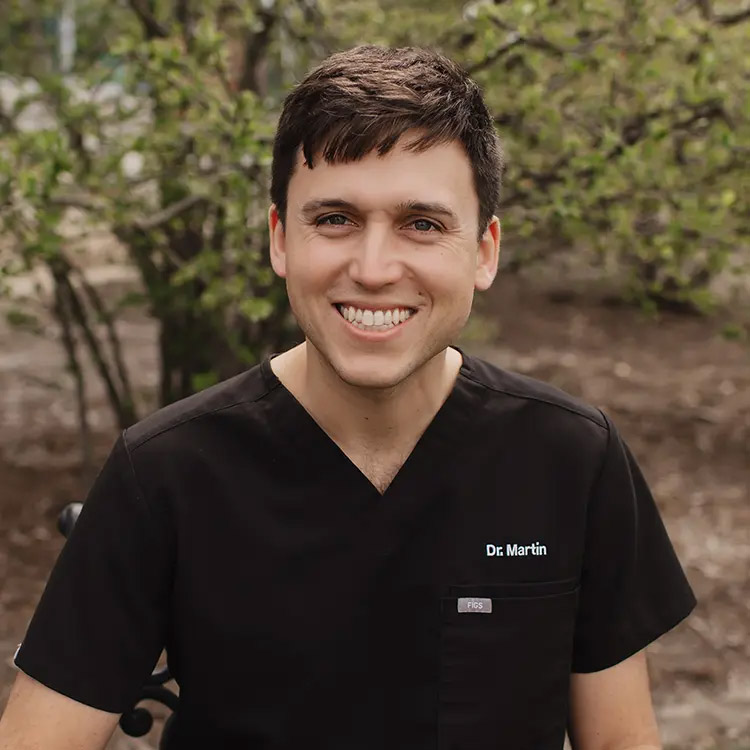
Sedation Options for Apicoectomy
At Oral and Facial Surgery of the NorthShore, patient comfort is always a priority. Because dental anxiety is common, several safe and effective sedation options are available to help patients feel relaxed during their procedure.
Local Anesthesia
Local anesthesia gently numbs the area around the affected tooth, allowing the procedure to be completed without discomfort. Patients remain fully awake, but the treated area is completely desensitized, so only light pressure may be noticed. This option works well for patients who feel comfortable in a dental setting and prefer a straightforward approach.
Nitrous Oxide (Laughing Gas)
Nitrous oxide is a mild, inhaled sedation that helps patients feel calm and relaxed within minutes. It creates a light, soothing sensation while allowing patients to remain awake and aware. Because the effects wear off quickly once the gas is stopped, many patients appreciate how convenient and easy this option is, especially those with mild to moderate anxiety.
Oral Sedation
Oral sedation involves taking prescribed medication prior to the appointment to promote a deeper sense of relaxation. Patients remain conscious but often feel very at ease and less aware of the procedure as it takes place. Since the calming effects can last for several hours, patients will need a trusted companion to drive them to and from their visit.
IV Sedation
IV sedation provides a deeper level of relaxation, allowing patients to rest in a calm, dream-like state throughout the procedure. Dr. Martin closely monitors comfort and safety at all times. Many patients have little to no memory of the experience afterward, making this an excellent option for those with higher levels of anxiety or for more involved procedures like apicoectomy.
Recovery After an Apicoectomy in NorthShore, Chicago
Recovery following an apicoectomy is typically straightforward and manageable with proper care. Patients may experience mild swelling, tenderness, or soreness in the treated area, which gradually improves over the first few days.
In the initial stage of healing, patients are encouraged to rest and follow post-procedure instructions carefully. Cold compresses can help manage swelling, and a soft food diet may be recommended temporarily to avoid placing pressure on the area.
Most patients can return to normal daily activities within a day or two, depending on their comfort level. Maintaining good oral hygiene while being gentle around the surgical site is important for proper healing.
Dr. Martin and his team provide ongoing support and are always available to answer questions, ensuring that recovery progresses smoothly.
Why Choose Oral and Facial Surgery of the NorthShore for an Apicoectomy?
At Oral and Facial Surgery of the NorthShore, care is centered around both clinical excellence and the patient experience. Dr. Stephen Martin believes that how patients feel throughout their care is just as important as the outcome itself.
Patients are never rushed, and every concern is taken seriously. From consultation through recovery, the focus remains on clear communication, thoughtful guidance, and creating an environment where patients feel genuinely cared for.
Dr. Martin’s extensive training and experience in oral and maxillofacial surgery allow him to approach complex cases with confidence and precision. He is committed to using advanced techniques and modern technology to deliver results that are both effective and lasting.
Just as importantly, the entire team shares a dedication to providing a supportive, comfortable experience for patients of all ages and backgrounds. This combination of expertise and compassion helps patients feel confident in their care from beginning to end.
Schedule Your Apicoectomy Consultation in Chicago, IL
To learn more about apicoectomy treatment at Oral and Facial Surgery of the NorthShore, patients are encouraged to call (224) 623-0709. Our team looks forward to helping each patient restore comfort, protect their natural smile, and move forward with confidence. Proudly serving patients in Evanston, IL, Skokie, IL, Lincolnwood, IL, Chicago, IL, Morton Grove, IL, Niles, IL, Wilmette, IL, Winnetka, IL, Northfield, IL, Park Ridge, IL, and Glenview, IL.
Skokie, IL Apicoectomy – FAQs
Does an apicoectomy hurt?
Most patients experience little to no discomfort during an apicoectomy thanks to local anesthesia and available sedation options. During the procedure, the area is fully numbed so patients typically feel only light pressure. Afterward, some soreness or tenderness is normal for a few days, but this is usually manageable with prescribed or over-the-counter medication. Dr. Martin and his team provide clear aftercare instructions to help patients stay comfortable throughout the healing process.
How is an apicoectomy different from a root canal?
A root canal treats infection inside the tooth by removing bacteria from the inner canals and sealing them. An apicoectomy, on the other hand, is performed when infection persists near the tip of the root after a root canal. Instead of re-treating the inside of the tooth, Dr. Martin accesses the root from the outside, removes the infected tissue at the root tip, and seals the area to prevent further issues.
How long does the procedure take?
An apicoectomy typically takes between 30 to 90 minutes, depending on the location of the tooth and the complexity of the case. Front teeth are often quicker to treat, while molars may take longer due to their structure and accessibility. Patients are monitored closely throughout the procedure to ensure comfort from beginning to end.
What is the success rate of an apicoectomy?
Apicoectomies have a high success rate, especially when performed by an experienced oral and maxillofacial surgeon. In many cases, the treated tooth can remain healthy and functional for years to come. Success depends on factors such as the extent of the infection, the condition of the surrounding bone, and how well post-procedure care instructions are followed.
How long is recovery after an apicoectomy?
Most patients feel well enough to return to normal daily activities within 1 to 2 days. Mild swelling or tenderness may be present during the first few days and gradually improves. While initial healing happens quickly, complete healing of the bone and surrounding tissue may take several weeks. Follow-up visits allow Dr. Martin to monitor progress and ensure everything is healing as expected.
Will the tooth need additional treatment afterward?
In most cases, no further treatment is necessary after an apicoectomy. The goal of the procedure is to completely remove the infection while preserving the natural tooth. Once healing is complete, the tooth can continue to function normally. Dr. Martin will continue to monitor the area during routine follow-ups to ensure long-term success.
What happens if an apicoectomy is not performed?
If infection at the root tip is left untreated, it may continue to spread and affect the surrounding bone and nearby teeth. Over time, this can lead to increased discomfort, swelling, or eventual tooth loss. Addressing the issue early with an apicoectomy helps prevent more complex problems and supports long-term oral health.
Is an apicoectomy always necessary after a failed root canal?
Not always. In some situations, a non-surgical root canal retreatment may be possible. However, when the infection is located at the root tip or cannot be accessed from inside the tooth, an apicoectomy may be the most effective option. Dr. Martin carefully evaluates each case and explains all available options so patients can make informed decisions about their care.
Will there be visible changes to the tooth or gums afterward?
The procedure is performed through a small, carefully placed opening in the gum, and the area is closed with fine sutures to support healing. In most cases, there are no noticeable long-term changes to the appearance of the tooth or surrounding tissue once healing is complete.
How soon should symptoms improve after the procedure?
Many patients notice improvement in symptoms such as pressure or swelling within a few days. As healing progresses, the underlying source of infection is resolved, allowing the area to continue improving over time. Dr. Martin and his team remain available to address any concerns during recovery and ensure everything is progressing smoothly.