
Facial Trauma Treatment in Chicago, IL and Skokie, IL | Maxillofacial Surgery
Facial trauma treatment is focused on restoring both function and appearance, helping patients recover in a way that feels stable, comfortable, and reassuring. Whether the injury involves the jaw, teeth, or surrounding facial structures, timely and thoughtful care can make a meaningful difference in long-term outcomes.
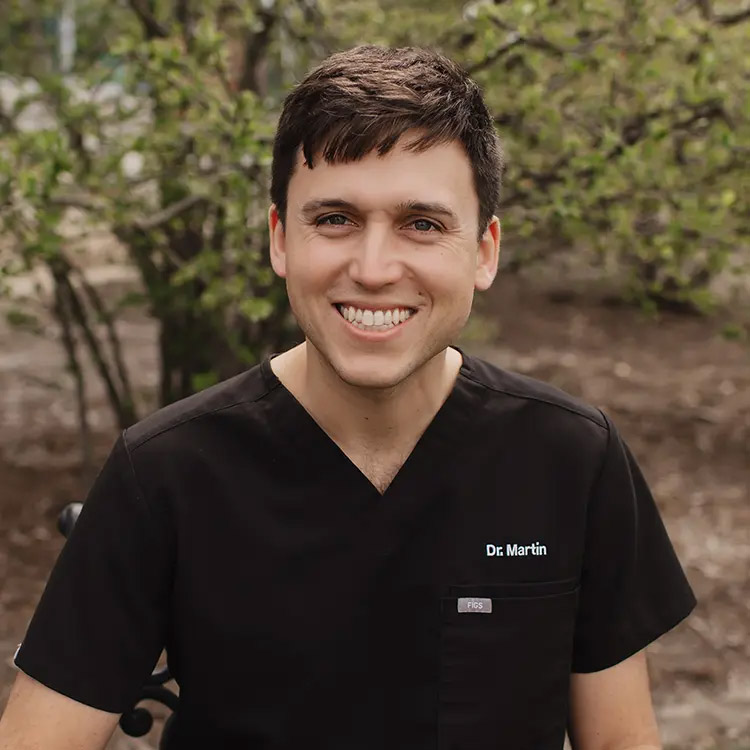
At Oral and Facial Surgery of the NorthShore, Dr. Stephen Martin understands that facial injuries can feel overwhelming for patients. Every patient receives clear communication, thoughtful planning, and strong support from the very first visit. The team focuses on ensuring patients feel heard, informed, and cared for throughout the process.
To learn more about facial trauma treatment in Chicago, IL, and Skokie, IL, patients are invited to call (224) 623-0709 or complete our online consultation form.
Quick Links
What Is Facial Trauma?
Facial trauma refers to injuries involving the bones, soft tissues, teeth, or joints of the face. These injuries can range from minor to complex and may affect both appearance and essential functions like breathing, chewing, and speaking.
Common types of facial trauma include:
- Jaw fractures (upper or lower jaw)
- Broken or displaced facial bones
- Dental injuries or tooth loss
- Soft tissue injuries such as cuts or lacerations
- Injuries to the temporomandibular joint (TMJ)
Since the face plays such an important role in both function and expression, the maxillofacial surgeon focuses on restoring structure while preserving natural balance.
How Does Facial Trauma Treatment Work?
Surgery after facial trauma starts with a careful, thorough evaluation. Dr. Martin uses advanced imaging along with a detailed hands-on exam to understand the full extent of the injury. He looks closely at the location of the damage, how the teeth and jaws line up, and whether any nearby nerves, joints, or other structures are affected.
From there, he creates a treatment plan tailored to the patient’s specific situation. Depending on the injury, this may include stabilizing fractured bones, repositioning displaced structures, repairing soft tissue damage, or fixing injured teeth and the bone supporting them.
The main goal is always to restore both proper function and a natural appearance, so the patient ends up with a stable, balanced result that feels right for the long term.
What Are the Benefits of Facial Trauma Surgery?
Facial trauma treatment is designed to restore both comfort and long-term function:
Restores Facial Structure
Helps realign bones and tissues to support natural appearance
Improves Function
Supports normal chewing, speaking, and breathing
Protects Long-Term Oral Health
Prevents complications that can arise from untreated injuries
Reduces Discomfort
Addresses soreness, pressure, or instability caused by trauma
Supports Proper Healing
Guides tissues and bones to heal in the correct position
Prevents Future Complications
Helps avoid long-term issues with bite alignment, airway, vision or joint function
Provides Peace of Mind
Patients often feel reassured knowing their injury is being carefully managed
Where Is Facial Trauma Treated?
Facial trauma treatment may involve several areas of the face, including:
- Upper and lower jaw (maxilla and mandible)
- Cheekbones and surrounding facial bones
- Teeth and supporting structures
- Soft tissues such as gums, lips, and skin
- Jaw joints and surrounding muscles
These areas are closely connected, so treatment often considers how everything works together rather than focusing on a single injury. This is where Dr. Martin’s training in oral and maxillofacial surgery becomes especially important.
Dr. Martin has deep expertise in how all the parts of the face work together: the bones, teeth, jaw joints, and surrounding soft tissues. Instead of treating an injury in isolation, he looks at the bigger picture and considers how each structure impacts the others. This approach helps him make decisions that support both a strong immediate repair and the best possible long-term function and appearance.
Who Is a Candidate for Facial Trauma Treatment in Skokie, IL?
Facial trauma treatment is recommended for patients who have experienced injury to the face, whether mild or complex.
Patients may be candidates if they:
- Have experienced a facial injury or accident
- Notice changes in bite or jaw alignment
- Have broken or mobile teeth
- Experience discomfort, swelling, or instability
- Have visible changes in facial structure
- Are in good overall health
At Oral and Facial Surgery of the NorthShore, each patient is carefully evaluated. Dr. Martin explains what he sees, what it means, and how treatment can help restore comfort and function.
Facial Trauma Treatment Process at Oral and Facial Surgery of the NorthShore in Chicago, IL
Facial injuries can feel stressful, especially when they affect both appearance and function. Dr. Martin has designed the process to feel clear, supportive, and well-guided from start to finish.
The Consultation
Treatment begins with a detailed evaluation. Dr. Martin reviews imaging, examines the injury, and discusses symptoms and concerns. Patients are encouraged to ask questions and take time to understand the situation fully.
Treatment Planning
Based on the findings, a personalized plan is created. This may involve immediate care, staged treatment, or coordination with other providers if necessary.
Facial Trauma Treatment
On the day of treatment, patients are welcomed into a calm and supportive environment. Once comfort is ensured, Dr. Martin carefully performs the necessary procedures to stabilize and restore the affected areas.
Depending on the injury, treatment may involve repositioning bones, stabilizing structures, or repairing tissues. Every step is performed with precision and attention to long-term function.
Follow-Up and Monitoring
After treatment, follow-up visits are scheduled to monitor healing and ensure everything is progressing as expected. Ongoing care helps support a stable and predictable recovery.
Schedule a Consultation
From wisdom teeth to complex facial procedures, Dr. Stephen Martin delivers precise, compassionate surgical care designed to restore comfort, function, and confidence. We invite you to schedule your consultation by calling (224) 623-0709 or completing our convenient consultation form.
Sedation Options for Facial Trauma Treatment
At Oral and Facial Surgery of the NorthShore, creating a calm and supportive environment is an important part of every procedure. Facial trauma treatment can feel overwhelming, especially when it follows an unexpected injury, and it is completely natural for patients to feel some anxiety beforehand.
Dr. Martin offers several safe and effective sedation options to help patients feel relaxed in a way that feels right for them. Each option is selected with comfort in mind, and time is taken during the consultation to explain what to expect and determine which level of sedation will feel most reassuring based on the type of injury and treatment needed.
Local Anesthesia
Local anesthesia numbs the treatment area so that patients remain comfortable throughout the procedure. Patients stay fully awake but typically feel only light pressure rather than discomfort. This option may be appropriate for less complex injuries or specific parts of treatment.
Nitrous Oxide (Laughing Gas)
Nitrous oxide is a gentle, inhaled sedation that helps patients feel calm within minutes. It creates a relaxed, comfortable sensation while allowing patients to remain awake and responsive. Because it wears off quickly, many patients appreciate its convenience.
Oral Sedation
Oral sedation involves taking medication before the procedure to promote a deeper sense of relaxation. Patients remain awake but feel less aware of the procedure. Since the effects last several hours, transportation arrangements are required.
IV Sedation
For patients who prefer a deeper level of relaxation, IV sedation provides a calm, dream-like state. Dr. Martin carefully monitors comfort and safety throughout the procedure. Many patients remember very little afterward, which can be especially reassuring for more involved facial trauma cases.
Recovery After Facial Trauma Treatment
Recovery after facial trauma treatment is typically manageable with the right guidance and support, though it can vary based on the type and extent of the injury.
In the first few days, mild swelling, tenderness, or soreness in the affected areas is normal and gradually improves. Depending on the injury, patients may also notice temporary stiffness or sensitivity as the tissues begin to heal. Dr. Martin discusses what to expect in detail beforehand, so patients feel prepared and reassured.
Patients are usually advised to:
- Rest during the initial healing period
- Follow any recommended dietary modifications, such as soft foods
- Maintain gentle oral hygiene
- Avoid pressure or strain on the treated areas
- Attend follow-up appointments to monitor healing
Most patients begin returning to normal daily activities within a few days to a week, depending on the extent of treatment, while deeper healing continues over time. Dr. Martin and his team remain available throughout recovery to provide reassurance, answer questions, and ensure that healing is progressing as expected.
How Much Is Facial Trauma Treatment in Chicago, IL?
The cost of facial trauma treatment can vary, depending on the type of injury, the complexity of care, and whether multiple procedures are needed.
Because every situation is different, the best way to understand cost is through a consultation. During this visit, a personalized treatment plan is provided along with a clear explanation of recommended care and associated costs.
Why Choose Oral and Facial Surgery of the NorthShore for Facial Trauma Treatment?
At Oral and Facial Surgery of the NorthShore, we focus on both outstanding clinical results and how patients feel throughout their entire experience.
Dr. Stephen Martin knows that the way patients are treated during their care matters just as much as their final outcome. That’s why he and the team take the time to listen, answer every question, and explain things clearly so that patients never feel rushed or in the dark.
Dr. Martin is a board-certified oral and maxillofacial surgeon with extensive training in advanced surgical techniques. He graduated with honors from Furman University, earned his dental degree from the Medical University of South Carolina, and completed a demanding residency at John H. Stroger Jr. Hospital of Cook County and Rush University Medical Center, where he served as Chief Resident.
Above all, our entire team is committed to treating patients with respect, compassion, and genuine care every step of the way. We combine modern surgical techniques and technology with clear communication to deliver results that are both highly precise and deeply personal.
Schedule a Consultation for Facial Trauma Treatment in Chicago, IL
To learn more about facial trauma treatment at Oral and Facial Surgery of the NorthShore, patients are encouraged to call (224) 623-0709 or contact us online today. The team is available to answer questions, explain options, and help guide the next steps with clarity and care. Proudly serving patients in Evanston, IL, Skokie, IL, Lincolnwood, IL, Chicago, IL, Morton Grove, IL, Niles, IL, Wilmette, IL, Winnetka, IL, Northfield, IL, Park Ridge, IL, and Glenview, IL.
Facial Trauma Treatment Chicago, IL – FAQs
What should be done immediately after a facial injury?
It’s important to seek evaluation as soon as possible, even if the injury seems minor. Early assessment helps identify issues that may not be immediately visible and allows for more effective treatment.
Can facial trauma heal on its own?
Some minor injuries may heal without intervention, but many require evaluation to ensure proper alignment and function. Leaving certain injuries untreated can lead to long-term complications.
Is facial trauma treatment uncomfortable?
Comfort is carefully managed throughout treatment. Patients typically feel pressure rather than discomfort during procedures, with manageable soreness afterward.
Will facial trauma treatment affect appearance?
The goal of treatment is to restore natural structure and balance. In many cases, addressing the injury helps maintain or improve overall appearance.
How long does recovery take?
Recovery varies depending on the injury, but many patients begin returning to normal activities within days to weeks, with continued healing over time.
Can dental injuries be treated at the same time?
Yes. Facial trauma treatment often includes addressing dental injuries to restore both function and stability.
Is facial trauma treatment considered urgent?
In many cases, yes. Prompt evaluation and treatment help ensure proper healing and reduce the risk of complications.
Will I need surgery for facial trauma?
Not always. Some injuries can be managed without surgery, especially if the bones and structures are still properly aligned. However, more complex injuries may require surgical treatment to restore function and stability. Dr. Martin evaluates each case carefully and explains the most appropriate approach.
How soon should facial trauma be treated?
Facial injuries should be evaluated as soon as possible. Early treatment helps ensure proper healing, reduces the risk of complications, and often leads to better long-term results.
Will there be visible scarring after treatment?
When soft tissue repair is needed, every effort is made to minimize visible scarring. Incisions are often placed in natural contours or inside the mouth whenever possible. Dr. Martin focuses on both functional and aesthetic outcomes.
Can facial trauma affect my bite or teeth alignment?
Yes, injuries involving the jaw or surrounding structures can change how the teeth come together. Treatment is designed to restore proper alignment so that patients can chew and function comfortably.
What if a tooth is knocked out or damaged?
Dental injuries are often treated as part of facial trauma care. In some cases, a tooth can be repositioned or stabilized. If replacement is needed later, options such as dental implants may be discussed once healing is complete.
Is swelling after facial trauma treatment normal?
Yes, swelling is a normal part of the healing process. It typically peaks within the first few days and gradually improves. Patients are given clear instructions to help manage swelling comfortably.
How long does it take to fully heal from facial trauma?
Initial healing often happens within a few days to a couple of weeks, depending on the injury. However, deeper healing of bone and soft tissue can take longer. Follow-up care helps ensure everything progresses properly.