
Socket Preservation in Chicago, IL and Skokie, IL
Without something to support it, the bone around it can slowly shrink and change shape over time. Socket preservation is a simple way to protect that space right after the extraction. It helps keep the jawbone’s natural shape, which gives a much better foundation for future work like a dental implant or bridge.
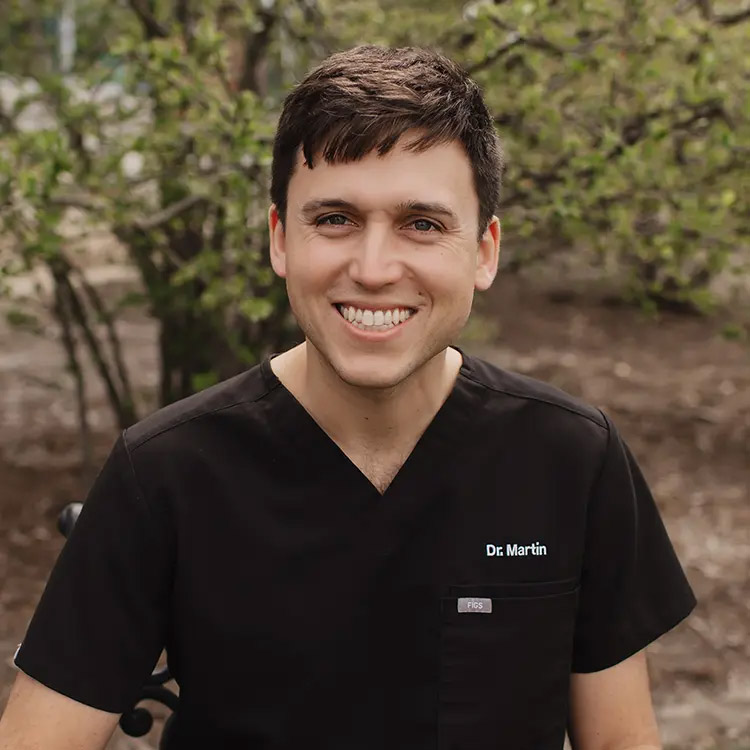
At Oral and Facial Surgery of the NorthShore, Dr. Stephen Martin approaches socket preservation with thoughtful planning, modern techniques, and a strong focus on patient comfort. Every step is explained clearly so that patients feel informed, supported, and confident as they move forward.
To learn more about socket preservation in Chicago, IL and Skokie, IL, patients are invited to call (224) 623-0709 or reach out online.
Quick Links
What Is Socket Preservation?
Socket preservation is a procedure performed immediately after a tooth extraction to help maintain the shape and volume of the bone where the tooth was located.
When a tooth is removed, the surrounding bone no longer receives stimulation and can begin to shrink. Socket preservation helps prevent this by placing bone graft material into the empty socket, supporting the natural healing process.
Over time, this material integrates with the patient’s own bone, helping preserve the area and maintain a more stable foundation for future treatment, such as dental implants.
How Does Socket Preservation Work?
Socket preservation is typically performed at the time of tooth extraction as part of a carefully planned approach to healing.
After the tooth is gently removed, Dr. Martin prepares the area and places specialized bone graft material into the socket. In many cases, a protective membrane is used to help stabilize the graft and guide proper healing.
Over the next several months, the graft integrates with the surrounding bone. This helps maintain the jaw’s structure and prepares the area for future treatment, if needed.
Advanced imaging and careful planning are used throughout the process to ensure precise and predictable results.
What Are the Benefits of Socket Preservation?
Socket preservation plays an important role in protecting long-term oral health and treatment options:
Preserves Bone Structure
Helps maintain the natural shape and volume of the jaw after tooth removal.
Supports Future Dental Implants
Creates a stronger, more stable foundation for implant placement when necessary.
Prevents Bone Loss
Reduces the natural shrinking process that can occur after extraction.
Maintains Facial Support
Helps preserve natural contours that can change with bone loss over time.
Improves Long-Term Outcomes
Supports better function and stability for future restorations.
Encourages Predictable Healing
Provides a controlled environment for the body to rebuild bone naturally.
Provides Peace of Mind Moving Forward
Patients often feel reassured knowing they are protecting their long-term oral health.
Who Is a Candidate for Socket Preservation in Skokie, IL?
Many patients are unsure whether socket preservation is necessary, which is completely understandable. This is typically determined at the time of evaluation or extraction.
Patients may be good candidates if they:
- Are having a tooth removed
- Are considering dental implants in the future
- Want to preserve bone structure after extraction
- Have concerns about bone loss
- Are in good overall health
At Oral and Facial Surgery of the NorthShore, each patient is carefully evaluated. Dr. Martin explains what he sees, what it means, and whether socket preservation may be beneficial based on long-term goals.
Where Is Socket Preservation Used?
Socket preservation is performed in the area where a tooth has been removed. Since the jaw functions as part of a larger system, preserving bone in one area can support overall oral health and long-term stability.
It is commonly used:
- After tooth extractions to maintain bone structure
- In preparation for future dental implants
- In areas where bone loss is a concern
- Along the jaw ridge to preserve natural contours
Socket Preservation Process at Oral and Facial Surgery of the NorthShore in Chicago, IL
For many patients, hearing about additional steps after a tooth extraction can feel unfamiliar. Dr. Martin has designed the process to feel clear, supportive, and easy to follow from beginning to end.
The Consultation
The starting point is a careful evaluation with Dr. Martin. He will review imaging, discuss the condition of the tooth and surrounding bone, and explain whether socket preservation may be beneficial.
We want patients to feel completely comfortable, so they are encouraged to ask as many questions as they like and take their time understanding the plan before moving forward.
Tooth Extraction and Socket Preservation
On the day of the procedure, patients are welcomed into a calm and supportive environment. After comfort is ensured, the tooth is gently removed.
Once the area is prepared, bone graft material is placed into the socket to support healing. The site is then protected to help guide the healing process.
Patients typically feel pressure rather than discomfort due to the anesthesia and sedation used.
Healing and Follow-Up
After the procedure, the area gradually heals over the coming months as the graft integrates with the natural bone.
Follow-up visits allow Dr. Martin to monitor healing and ensure everything is progressing as expected. This step helps support a stable and predictable outcome for future treatments.
Schedule a Consultation
From wisdom teeth to complex facial procedures, Dr. Stephen Martin delivers precise, compassionate surgical care designed to restore comfort, function, and confidence. We invite you to schedule your consultation by calling (224) 623-0709 or completing our convenient consultation form.
Sedation Options for Socket Preservation
At Oral and Facial Surgery of the NorthShore, creating a calm and supportive environment is an important part of care. Even straightforward procedures can feel unfamiliar, and it is completely natural for patients to feel some level of anxiety beforehand.
Dr. Martin offers several safe and effective sedation options to help patients feel relaxed in a way that feels right for them. Each option is selected thoughtfully based on the procedure and patient preference.
Local Anesthesia
Local anesthesia numbs the treatment area so that patients remain comfortable throughout the procedure. Patients stay fully awake but typically feel only light pressure.
Nitrous Oxide (Laughing Gas)
Nitrous oxide is a gentle, inhaled option that helps patients feel calm and relaxed within minutes. It wears off quickly, making it a convenient choice for many patients.
Oral Sedation
Oral sedation involves taking medication before treatment to promote a deeper sense of relaxation. Patients remain awake but feel more at ease during the experience.
IV Sedation
For patients who prefer a deeper level of relaxation, IV sedation provides a calm, dream-like state. Dr. Martin carefully monitors comfort and safety throughout the procedure.
Recovery After Socket Preservation
Recovery after socket preservation is generally manageable with the right guidance.
In the first few days, it is normal to notice mild swelling, tenderness, or sensitivity in the area. This typically improves as healing progresses.
Patients are usually advised to:
- Follow post-operative instructions carefully
- Eat soft foods initially
- Maintain gentle oral hygiene
- Avoid disturbing the surgical area
- Attend follow-up visits
Most patients return to normal daily routines within a couple of days, while deeper healing continues over time.
How Much Is Socket Preservation in Chicago, IL?
The cost of socket preservation can vary depending on the size of the area being treated and whether it is combined with other procedures, such as tooth extraction or future implant planning.
Because care is personalized, the best way to understand cost is through a consultation. During this visit, Dr. Martin provides a clear explanation of the recommended approach and associated costs so that patients can make informed decisions with confidence.
Why Choose Oral and Facial Surgery of the NorthShore for Socket Preservation?
At Oral and Facial Surgery of the NorthShore, care is centered around both clinical expertise and the overall patient experience.
Dr. Stephen Martin believes that patients remember how they felt throughout their care just as much as the outcome itself. Time is taken to ensure patients feel heard, informed, and never rushed. Every question is welcome, and every step is explained clearly.
Dr. Martin is a board-certified oral and maxillofacial surgeon with extensive training in advanced surgical techniques. His background includes honors at Furman University, dental education at the Medical University of South Carolina, and a rigorous residency at John H. Stroger Jr. Hospital of Cook County and Rush University Medical Center, where he served as Chief Resident.
Most importantly, the entire team shares a commitment to creating an environment where patients feel supported, respected, and genuinely cared for at every stage. Advanced techniques and modern technology are combined with thoughtful communication to create an experience that feels both precise and personal.
Schedule a Consultation for Socket Preservation in Chicago, IL
To learn more about socket preservation at Oral and Facial Surgery of the NorthShore, patients are encouraged to call (224) 623-0709 or reach out online today. The team is available to answer questions, explain options, and help guide the next steps with clarity and care. Proudly serving patients in Evanston, IL, Skokie, IL, Lincolnwood, IL, Chicago, IL, Morton Grove, IL, Niles, IL, Wilmette, IL, Winnetka, IL, Northfield, IL, Park Ridge, IL, and Glenview, IL.
Socket Preservation Chicago, IL – FAQs
Is socket preservation always necessary after a tooth extraction?
Not always. It depends on the patient’s individual situation, future treatment goals, and the condition of the bone. However, when planning for dental implants or preserving long-term bone structure, socket preservation is often recommended.
Does socket preservation add discomfort to the extraction?
No. The experience is typically very similar to a standard tooth extraction. Patient comfort is carefully managed throughout the procedure, and most patients experience only mild soreness afterward that generally improves within a few days.
How long does socket preservation take to heal?
The extraction site typically heals at the surface within 1 to 2 weeks. The underlying bone graft takes several months to fully integrate and mature. This healing period helps create a strong and stable foundation for future treatment.
Can dental implants be placed right after socket preservation?
In some cases, yes. If conditions are favorable, dental implants may be placed immediately. In other situations, allowing the area to heal first may provide the strongest long-term result. Dr. Martin will explain the most appropriate timing based on each patient’s needs.
What type of material is used for socket preservation?
Several types of graft materials may be used, including synthetic options and donor-derived materials. The selection is based on what will provide the most predictable and successful outcome for each patient.
What happens if socket preservation is not performed?
Without socket preservation, the bone in the area may gradually shrink and change shape over time. This can make future treatment more challenging and may limit options, particularly for patients considering dental implants.
Is socket preservation a common procedure?
Yes. Socket preservation is a common, well-established procedure that is performed regularly to help protect the jawbone and support the best possible long-term outcomes.