Bone Regeneration in Chicago, IL
It can also reopen possibilities for care that may have once felt out of reach, helping patients restore both function and confidence with a more predictable path forward.
At Oral and Facial Surgery of the NorthShore, Dr. Stephen Martin approaches bone regeneration with careful planning, modern techniques, and a strong focus on patient experience. Every step is explained clearly so patients feel informed, supported, and comfortable as they move forward.
To learn more about bone regeneration in Chicago, IL and Skokie, IL, patients are invited to call (224) 623-0709 or complete our online consultation form.
Quick Links
What Is Bone Regeneration?
Bone regeneration is a procedure designed to rebuild or restore bone in areas where it has been lost or weakened. This is often necessary when preparing for dental implants or after tooth loss, trauma, or infection.
The process involves placing specialized bone graft material in areas where additional support is needed. Over time, this material integrates with the body’s natural bone, creating a stronger and more stable foundation.
Bone regeneration is often part of a broader treatment plan that may include dental implants, a sinus lift, or implant-supported dentures, depending on each patient’s needs.
How Does Bone Regeneration Work?
Bone regeneration is a carefully planned process designed to support both healing and long-term success. Dr. Martin begins by gently preparing the treatment site so that the area is ready for grafting. Once prepared, specialized bone graft material is placed in the areas where additional support is needed. In many cases, a protective membrane is used to stabilize the graft and guide proper healing.
Over the coming months, the graft gradually integrates with the existing bone. As it heals, it strengthens the area and creates a more stable foundation. Once healing is complete, patients are ready for the next step, which is often dental implant placement. Throughout the process, Dr. Martin relies on advanced imaging and detailed digital planning to help ensure precise and predictable results.
What Are the Benefits of Bone Regeneration?
Bone regeneration plays an important role in restoring both function and long-term oral health:
Creates a Foundation for Implants
Builds the necessary bone support for secure and stable dental implant placement.
Prevents Further Bone Loss
Helps preserve the jawbone and prevent continued deterioration over time.
Supports Facial Structure
Maintains natural facial contours that can change when bone is lost.
Improves Long-Term Stability
Provides a stronger base for restorations, helping them last longer and function better.
Expands Treatment Options
Allows patients who may not have been candidates for implants to move forward with care.
Encourages Natural Healing
Works with the body’s biology to regenerate bone in a controlled and predictable way.
Provides Peace of Mind Moving Forward
Patients often feel reassured knowing they have a clear path toward restoring their smile.
Who Is a Candidate for Bone Regeneration in Skokie, IL?
Many patients are unsure whether they need bone regeneration, and that’s completely understandable. This is typically determined through imaging and a detailed evaluation.
Patients may be good candidates if they:
- Have been told there is not enough bone for dental implants
- Have experienced bone loss after tooth removal
- Are planning for dental implant treatment
- Have areas of weakened or damaged bone
- Are in good overall health
Even patients who have previously been told implants are not possible may still have options with bone regeneration.
At Oral and Facial Surgery of the NorthShore, each patient is carefully evaluated to determine the most appropriate and predictable approach.
Where Is Bone Regeneration Used?
Bone regeneration can be performed in various areas of the mouth, depending on where bone loss has occurred. In some cases, bone regeneration may be performed on its own or combined with procedures like a sinus lift to achieve the best outcome.
It is commonly used:
- In the upper or lower jaw before dental implant placement
- After tooth extraction to preserve the bone structure
- In areas affected by trauma or infection
- Along the jaw ridge to improve shape and volume
Bone Regeneration Process at Oral and Facial Surgery of the NorthShore in Chicago, IL
For many patients, hearing that bone regeneration is needed can feel unfamiliar at first. Dr. Martin understands this, which is why the entire process is designed to feel clear, supportive, and well-guided from beginning to end.
The Consultation
It all starts with a thorough consultation. Dr. Martin uses advanced imaging to get a clear look at what’s going on beneath the surface and walks each patient through exactly what he sees.
He takes the time to answer all questions, go over options, and make sure patients feel completely comfortable with the plan before moving ahead.
Preparing for the Procedure
Once patients have settled on the bone regeneration plan, Dr. Martin will provide simple, clear instructions on how to prepare. He will talk through sedation choices and walk through exactly what the day will look like, so each patient feels ready and at ease when they come in.
The Bone Regeneration Procedure
On the day of the procedure, patients are welcomed into a calm and supportive environment.
After comfort is ensured and anesthesia or sedation has taken effect, Dr. Martin carefully places the bone graft material in the targeted area. The process is precise and controlled, with patients typically noticing pressure rather than discomfort.
The area is then protected to support proper healing.
Healing and Next Steps
After the procedure, the graft gradually integrates with the natural bone over several months.
Dr. Martin and his team monitor healing closely and remain available to answer questions. Once the area is ready, patients can move forward with the next phase of treatment, such as dental implant placement.
Schedule a Consultation
From wisdom teeth to complex facial procedures, Dr. Stephen Martin delivers precise, compassionate surgical care designed to restore comfort, function, and confidence. We invite you to schedule your consultation by calling (224) 623-0709 or completing our convenient consultation form.
Sedation Options for Bone Regeneration
At Oral and Facial Surgery of the NorthShore, creating a calm and supportive environment is an important part of every procedure. Bone regeneration is often a key step in restoring oral health, and it’s completely natural for patients to feel some uncertainty beforehand. Dr. Martin offers several safe and effective sedation options to help patients feel relaxed in a way that feels right for them. Each option is selected with comfort in mind, and time is taken during the consultation to explain what to expect and determine which level of sedation will feel most reassuring.
Local Anesthesia
Local anesthesia numbs the treatment area so that patients remain comfortable throughout the procedure. While patients stay fully awake, the numbing effect ensures that only light pressure is felt rather than discomfort. This option is often well-suited for patients who feel at ease in a dental setting and prefer a more straightforward approach.
Nitrous Oxide (Laughing Gas)
Nitrous oxide is a gentle, inhaled sedation that helps patients feel calm and relaxed within minutes. It creates a light, comfortable sensation without putting patients to sleep. Because the effects wear off quickly, many patients appreciate how simple and convenient this option is, especially for mild to moderate anxiety.
Oral Sedation
Oral sedation involves taking prescribed medication before the appointment to promote a deeper sense of relaxation. Patients remain awake and responsive but often feel less aware of the procedure and more at ease throughout the experience. Since the effects can last for several hours, patients will need someone to accompany them to and from their visit.
IV Sedation
For patients who prefer a deeper level of relaxation, IV sedation provides a calm, dream-like state during the procedure. Dr. Martin carefully monitors comfort and safety at all times. Many patients remember very little afterward, which can make the experience feel much more manageable, especially for more involved bone regeneration procedures.
Recovery After Bone Regeneration
Recovery from bone regeneration is generally straightforward when patients know what to expect.
For the first few days, it’s completely normal to experience mild swelling, tenderness, or a feeling of pressure in the treatment area. These symptoms typically begin to subside as healing progresses.
Dr. Martin will provide clear, simple instructions that cover:
- How to care for the treatment area
- Which foods are easiest to eat while healing
- How to keep the mouth clean during recovery
- When to return for follow-up visits
Most patients begin with soft foods before gradually returning to their normal eating habits. Dr. Martin and his team remain available to answer questions, provide support, and monitor healing progress to help ensure a smooth recovery experience.
How Much Is Bone Regeneration in Chicago, IL?
The cost of bone regeneration can vary depending on the size of the area being treated, the type of graft material used, and whether it is combined with other procedures.
During consultation, patients receive a clear, personalized treatment plan outlining recommendations and associated costs. The goal is to provide transparency so patients can make informed decisions with confidence.
Why Choose Oral and Facial Surgery of the NorthShore for Bone Regeneration?
At Oral and Facial Surgery of the NorthShore, Dr. Stephen Martin has built an environment where comfort and compassion are just as essential as clinical skill. Patients aren’t simply “treated”; they’re cared for in a way that makes the entire experience feel more personal.
We believe that patients remember how they felt during their care just as much as the results achieved. For this reason, Dr. Martin’s approach is rooted in communication, patience, and respect. He takes time to explain what’s happening, answer questions, and make sure patients feel comfortable throughout their care. No one is rushed, and no concern is ever too small.
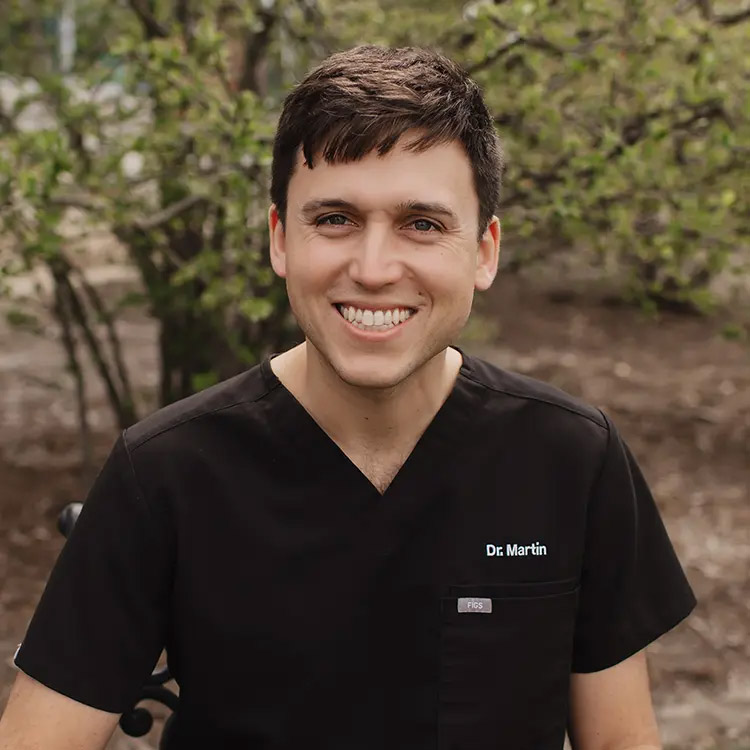
Patients also benefit from Dr. Martin’s extensive training and commitment to advanced techniques and the latest technologies. He is a highly skilled, board-certified oral and maxillofacial surgeon with a strong academic and clinical background. After graduating with honors from Furman University, he earned his dental degree from the Medical University of South Carolina, where he received recognition for outstanding performance in oral and maxillofacial surgery. He then completed a rigorous four-year residency at John H. Stroger Jr. Hospital of Cook County and Rush University Medical Center, serving as Chief Resident in his final year.
Most importantly, the entire team at Oral and Facial Surgery of the NorthShore shares the same philosophy: patients should feel safe, heard, and genuinely cared for at every step. Modern technology and advanced techniques are paired with a personal touch, creating an experience that feels both skilled and deeply supportive. For patients facing bone regeneration treatment, this combination of expertise and heartfelt care makes all the difference.
Schedule a Bone Regeneration Consultation in Chicago, IL
To learn more about bone regeneration at Oral and Facial Surgery of the NorthShore, patients are encouraged to call (224) 623-0709 or reach out online today. The team is available to answer questions, explain options, and help guide the next steps with clarity and care. Proudly serving patients in Evanston, IL, Skokie, IL, Lincolnwood, IL, Chicago, IL, Morton Grove, IL, Niles, IL, Wilmette, IL, Winnetka, IL, Northfield, IL, Park Ridge, IL, and Glenview, IL.
Bone Regeneration Skokie, IL – FAQs
Is bone regeneration always required before dental implants?
Not always. Some patients have enough natural bone to support implants without additional procedures. However, when bone loss has occurred, regeneration helps create the stability needed for long-term success. Dr. Martin carefully evaluates imaging to determine whether this step is necessary and explains the reasoning in a clear, easy-to-understand way.
Does bone regeneration feel uncomfortable?
Comfort is thoughtfully managed throughout the procedure. The area is fully numbed, and sedation options are available to help patients feel relaxed. Most patients describe a feeling of pressure rather than discomfort during the procedure, with mild soreness afterward that improves within a few days.
How long does bone regeneration take to heal?
Initial healing typically takes about 1 to 2 weeks, while full integration of the graft can take several months. This longer healing period is important, as it allows the new bone to become strong and stable enough to support future treatment like dental implants.
What type of bone graft material is used?
Several types of graft materials may be used, including synthetic options or donor-derived materials. Each option is carefully selected based on what will provide the most predictable and stable result for the patient’s specific needs.
Can bone regeneration be done at the same time as implant placement?
In some cases, yes. If there is enough existing bone to stabilize an implant, both procedures may be performed together. In other situations, healing is allowed first to ensure the strongest possible foundation. Dr. Martin explains the best approach during the consultation.
What happens if bone regeneration is not performed when needed?
Without enough bone support, dental implants may not be stable or may not be recommended at all. Bone regeneration helps create the structure needed for long-term success, reducing the risk of complications down the road.
Is bone regeneration a common procedure?
Yes. Bone regeneration is a well-established and predictable procedure that oral and maxillofacial surgeons perform regularly. With proper planning and technique, it has a strong track record of supporting successful implant outcomes.
How long do the results of bone regeneration last?
Once the graft has fully integrated, the regenerated bone becomes part of the patient’s natural structure. With good oral hygiene and regular dental care, the results are designed to be long-lasting and stable.
Will there be visible changes to facial appearance?
In some cases, rebuilding lost bone can help support natural facial contours, especially in areas where bone loss has affected structure. While the primary goal is function and stability, patients may also notice subtle improvements in overall facial support.
How soon can patients return to normal activities?
Most patients can return to normal daily routines within a couple of days, depending on the extent of the procedure. Dr. Martin provides clear guidance on activity, diet, and care to support a smooth and comfortable recovery.