
Nerve Repositioning in Chicago, IL and Deer Park, IL
When there is not enough room between the lower jawbone and an important sensory nerve, placing dental implants safely can become more complicated. Nerve repositioning is an advanced oral surgery technique that can create the space needed for implant placement, giving some patients an opportunity to restore missing teeth even when their anatomy makes conventional implant surgery difficult.
At Oral and Facial Surgery of the NorthShore, board-certified oral and maxillofacial surgeon Dr. Stephen Martin carefully evaluates the relationship between the jawbone, nerves, and proposed implant location before recommending treatment. His training in complex oral and maxillofacial surgery, combined with advanced imaging and surgical planning, allows him to approach these cases with the precision they require.
To learn more about nerve repositioning in Chicago, IL and Deer Park, IL, patients are invited to call (224) 623-0709 or contact us online today.
Quick Links
What Is Nerve Repositioning?
Nerve repositioning is a specialized oral surgery procedure that may be performed when the inferior alveolar nerve is located too close to the area where a dental implant needs to be placed. This nerve travels through the lower jaw and provides sensation to areas including the lower lip and chin.
For successful dental implant placement, there needs to be enough bone to securely support the implant without interfering with the nerve. In some patients, bone loss or individual anatomy leaves very little space between the top of the jawbone and the nerve canal.
During nerve repositioning, Dr. Martin carefully accesses the nerve and temporarily moves it away from the planned implant site. This creates additional room for the implant to be placed in a stable position within the lower jaw. Once the implant has been positioned, the nerve is carefully protected as the surgical area is closed.
Nerve repositioning is not necessary for most dental implant patients, as it is generally reserved for select cases in which the location of the nerve would otherwise make conventional implant placement difficult or unsafe.
What Are the Benefits of Nerve Repositioning?
For the right patient, nerve repositioning can make dental implant treatment possible while allowing the implants to be placed in a position designed for long-term function and stability.
Makes Dental Implants Possible
Patients who have been told they have insufficient space above the nerve may gain another option for replacing missing teeth.
Supports Proper Implant Positioning
Creating additional room can allow implants to be placed at an appropriate depth and position rather than compromising placement because of the nerve’s location.
Creates a Stable Foundation
Proper implant positioning helps provide the support needed for a strong, functional dental restoration.
Expands Treatment Options
Nerve repositioning can provide an alternative in complex cases where anatomical limitations would otherwise restrict implant treatment.
Restores Function
Successful implant treatment can make it easier for patients to chew, speak, and use their teeth comfortably.
Provides a Long-Term Approach
Careful planning considers not only how the implant can be placed today, but also how the implant, bone, and surrounding structures will function together over time.
How Does Nerve Repositioning Work?
Nerve repositioning begins well before surgery. Dr. Martin uses detailed imaging to evaluate the lower jaw, identify the precise course of the inferior alveolar nerve, measure the available bone, and determine where the dental implants should be positioned.
During the procedure, a carefully planned opening is made in the lower jawbone to access the nerve canal. Dr. Martin gently mobilizes the nerve, so it can be moved away from the implant site while the dental implant is placed into the jawbone. The nerve is then carefully protected, and the surgical area is closed so healing can begin.
Since the procedure involves the relationship between the nerve, jawbone, and dental implants, precision is particularly important. Dr. Martin’s oral and maxillofacial surgery training provides an extensive understanding of facial anatomy and the surgical management of the jaws, teeth, nerves, and surrounding tissues. His approach combines this surgical background with advanced imaging and modern planning techniques to determine whether nerve repositioning is appropriate and how the procedure can be performed as carefully as possible.
Where Is Nerve Repositioning Used?
Nerve repositioning is performed in the lower jaw, or mandible. It is most commonly considered when dental implants are needed toward the back of the lower jaw and there is limited bone between the top of the jaw and the inferior alveolar nerve.
This situation can occur after teeth have been missing for an extended period and the jawbone has lost volume. In other cases, a patient’s natural anatomy simply places the nerve closer to the area needed for implant placement.
The teeth, jawbone, nerves, and surrounding tissues are closely connected, so treatment needs to consider how all of these structures work together. Dr. Martin’s training as an oral and maxillofacial surgeon is especially valuable in these cases because his surgical education encompasses the anatomy and function of the entire oral and facial region rather than the implant site alone.
Who Is a Candidate for Nerve Repositioning in Deer Park, IL?
Nerve repositioning is intended for a relatively specific group of dental implant patients. Advanced imaging and a thorough examination are necessary to determine whether the procedure is appropriate.
Patients may be candidates if they:
- Need dental implants in the back portion of the lower jaw
- Have limited bone height above the inferior alveolar nerve
- Have previously been told that conventional implant placement would be difficult because of nerve location
- Want a stable, long-term solution for missing teeth
- Are healthy enough to undergo oral surgery and dental implant treatment
Nerve repositioning is only one possible approach to a complex implant case. Depending on the amount of available bone, the location of the missing teeth, and other anatomical factors, Dr. Martin may discuss additional options. The consultation gives patients an opportunity to understand why a particular approach is being recommended rather than simply being told that they need a procedure.
Schedule a Consultation
From wisdom teeth to complex facial procedures, Dr. Stephen Martin delivers precise, compassionate surgical care designed to restore comfort, function, and confidence. We invite you to schedule your consultation by calling (224) 623-0709 or completing our convenient consultation form.
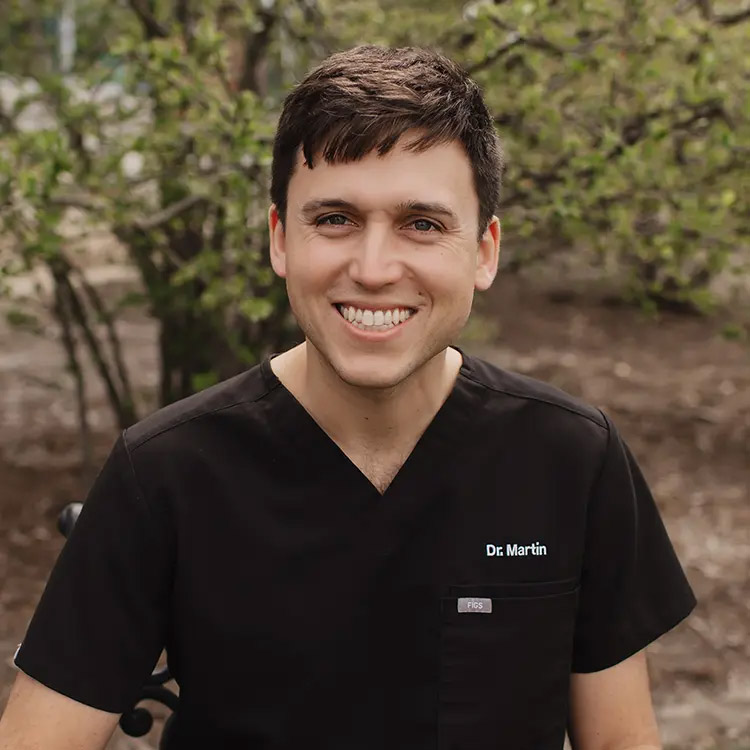
Nerve Repositioning Process at Oral and Facial Surgery of the NorthShore in Chicago, IL
The involvement of a nerve can understandably make patients more cautious about moving forward with treatment. Dr. Martin takes time to explain what the imaging shows, why nerve repositioning may be recommended, and what patients can expect before making any decisions.
The Nerve Repositioning Consultation
The process begins with a detailed examination and advanced imaging of the lower jaw. Dr. Martin evaluates the available bone, maps the location of the nerve, and considers the ideal position for the dental implant.
Visual aids and imaging are used to help patients see the anatomy being discussed rather than simply hearing a technical explanation. Questions are encouraged, and patients are given time to understand both the procedure and the reasoning behind the treatment plan.
Preparing for Nerve Repositioning
Once treatment has been planned, patients receive written and verbal instructions explaining how to prepare for surgery. Dr. Martin reviews anesthesia and sedation options, medications, eating and drinking restrictions when applicable, and what patients should have ready for recovery at home.
For procedures involving sedation, patients may also need to arrange for an adult escort to bring them home following surgery.
The Nerve Repositioning Procedure
Once anesthesia has taken effect and the patient is comfortable, Dr. Martin carefully accesses the portion of the lower jaw containing the nerve. The nerve is gently moved away from the planned implant location, allowing the implant to be placed into the available jawbone in the desired position.
After implant placement, the nerve and surrounding structures are carefully managed and the surgical area is closed. Throughout the procedure, attention is given to protecting the anatomy involved while creating a stable foundation for the dental implant.
Follow-Up and Healing
Patients receive detailed instructions before leaving the office, including guidance on oral hygiene, diet, swelling, activity, and medications when prescribed. Follow-up appointments allow Dr. Martin to monitor the surgical area, implant stability, healing, and sensation as recovery progresses.
Before & Afters
Sedation Options for Nerve Repositioning
At Oral and Facial Surgery of the NorthShore, creating a calm and supportive environment is an important part of every procedure. Nerve repositioning can feel like a significant step, and it is completely natural for patients to feel some anxiety beforehand.
Dr. Martin offers several safe and effective sedation options to help patients feel relaxed in a way that feels right for them. Each option is selected with comfort in mind, and time is taken during the consultation to explain what to expect and determine which level of sedation is most appropriate for the planned procedure.
Local Anesthesia
Local anesthesia numbs the treatment area so that patients remain comfortable throughout the procedure. Patients stay fully awake but typically feel pressure rather than discomfort. Local anesthesia may be used alone in select circumstances or alongside another form of sedation.
Nitrous Oxide (Laughing Gas)
Nitrous oxide is an inhaled sedation option that can help patients feel calmer and more relaxed while remaining awake and responsive. Its effects begin relatively quickly and wear off soon after the gas is discontinued.
Oral Sedation
Oral sedation involves taking prescribed medication before the procedure to create a deeper feeling of relaxation. Patients remain conscious but may feel less aware of the procedure. Because the medication can continue to affect alertness afterward, patients need to arrange transportation home.
IV Sedation
IV sedation provides a deeper level of relaxation and may be appropriate for more involved oral surgery procedures. Medication is delivered intravenously, allowing sedation to be carefully managed throughout treatment. Dr. Martin monitors the patient closely during the procedure, and many patients have little memory of the surgical experience afterward.
Recovery After Nerve Repositioning
Recovery after nerve repositioning varies according to the extent of surgery and whether dental implants or additional procedures were completed at the same time. Patients can expect some swelling, tenderness, and jaw stiffness during the early stages of healing, with these effects gradually improving.
As the inferior alveolar nerve provides sensation to the lower lip and chin, temporary numbness, tingling, or altered sensation can occur following nerve repositioning. Dr. Martin discusses this possibility with patients before surgery and monitors sensation during follow-up care. Nerve recovery can take longer than the initial healing of the surgical site.
Patients are generally advised to rest during the early recovery period, follow a soft food diet, maintain careful oral hygiene, and avoid putting unnecessary pressure on the surgical area. Our helpful team will provide detailed instructions that mirror each specific procedure.
Dr. Martin is also committed to remaining involved after surgery. Follow-up appointments allow him and our team to evaluate healing and answer questions as patients progress through recovery.
How Much Does Nerve Repositioning Cost in Chicago, IL?
The cost of nerve repositioning varies because the procedure is planned around each patient’s anatomy and overall dental implant needs. Factors like the complexity of nerve repositioning, the number of implants being placed, and whether bone grafting or another procedure is performed at the same time can affect the total cost.
After examining the jaw and reviewing the necessary imaging, Dr. Martin can develop a personalized surgical plan. Patients receive an explanation of the recommended treatment and associated costs before moving forward.
Why Choose Oral and Facial Surgery of the NorthShore for Nerve Repositioning?
At Oral and Facial Surgery of the NorthShore, advanced surgical care is paired with an experience designed to make patients feel genuinely cared for. This is particularly important with a procedure such as nerve repositioning, where patients may arrive with understandable questions about the nerve, dental implant placement, and what treatment means for them long term.
Dr. Stephen Martin is a board-certified oral and maxillofacial surgeon whose training includes the surgical management of the teeth, jaws, facial structures, and associated nerves and tissues. After graduating with honors from Furman University, he earned his dental degree from the Medical University of South Carolina, where he received recognition for outstanding performance in oral and maxillofacial surgery. He then completed a four-year oral and maxillofacial surgery residency at John H. Stroger Jr. Hospital of Cook County and Rush University Medical Center, serving as Chief Resident during his final year.
That background is especially relevant to nerve repositioning. Complex dental implant surgery requires more than understanding where an implant should go; it requires a detailed understanding of the jawbone, nerve anatomy, surrounding tissues, and how these structures interact. Dr. Martin combines this surgical training with advanced imaging, digital planning, and modern implant techniques to approach each case carefully.
Just as importantly, patients are given time to understand their care. Dr. Martin uses detailed explanations and visual aids during consultations and encourages patients to ask questions. No concern is considered too small, and patients are not rushed through decisions involving their health. This combination of advanced surgical training and thoughtful communication reflects his philosophy that patients should feel cared for throughout their entire experience.
Schedule a Nerve Repositioning Consultation in Chicago, IL
To learn more about nerve repositioning in Chicago, IL and Deer Park, IL, patients are encouraged to call Oral and Facial Surgery of the NorthShore at (224) 623-0709 or request a consultation here. Dr. Martin and the team are available to answer questions, explain treatment options, and help patients understand the next step in restoring their smile.
Nerve Repositioning Chicago, IL FAQs
Is nerve repositioning safe?
Nerve repositioning is an advanced procedure involving an important sensory nerve, which is why careful patient selection, imaging, and surgical planning are essential. Dr. Martin evaluates the nerve’s exact position and the surrounding anatomy before determining whether this procedure is appropriate.
Will nerve repositioning cause numbness?
Temporary changes in sensation, including numbness or tingling of the lower lip or chin, can occur after the nerve has been repositioned. Sensation may gradually change as the area heals. Dr. Martin discusses the risks and expected recovery in detail before surgery so patients can make an informed decision.
Is nerve repositioning necessary for every lower-jaw dental implant?
No. Most patients receiving dental implants do not require nerve repositioning. The procedure is considered when there is not enough bone between the top of the lower jaw and the inferior alveolar nerve to place an implant in the desired position safely.
Can dental implants be placed during nerve repositioning?
In appropriate cases, dental implant placement can be performed as part of the same procedure. The nerve is carefully moved to create access for the implant, and the implant is then positioned according to the surgical plan.
Why can’t a shorter dental implant simply be used?
Implant selection depends on several factors, including available bone, implant location, bite forces, and the overall restorative plan. A shorter implant may be appropriate for some patients, but it is not automatically the best solution for every case. Dr. Martin evaluates the available options before recommending nerve repositioning.
How does Dr. Martin determine where the nerve is located?
Advanced dental imaging allows Dr. Martin to visualize the jawbone and the course of the inferior alveolar nerve before surgery. These images also help him evaluate available bone and plan the position of the dental implant.
How long does recovery take after nerve repositioning?
The initial surgical recovery generally occurs over the first several days and weeks, while deeper healing continues beyond that period. Changes in nerve sensation may take longer to resolve. Because recovery differs from patient to patient, Dr. Martin monitors healing through scheduled follow-up visits.
What should patients eat after nerve repositioning?
Patients are generally asked to follow a soft food diet during the early healing period to avoid unnecessary pressure on the surgical area. Specific dietary instructions and the timeline for returning to firmer foods are provided after surgery.
What happens if there is not enough bone for an implant even after considering the nerve?
Nerve location is only one part of implant planning. If the jaw also lacks adequate bone volume, Dr. Martin may discuss bone grafting or another approach based on the patient’s anatomy. Advanced imaging helps determine which combination of procedures, if any, offers the most appropriate path forward.
Why should an oral and maxillofacial surgeon perform nerve repositioning?
Nerve repositioning involves the jawbone, dental implant site, and a major sensory nerve. Oral and maxillofacial surgeons receive surgical training focused specifically on the anatomy and treatment of the mouth, jaws, and facial structures. Dr. Martin’s residency training and experience with advanced implant procedures allow him to evaluate these structures together when planning complex implant care.