
TMJ Treatment in Chicago, IL and Skokie, IL
When the temporomandibular joint (TMJ) is not functioning properly, everyday movements like chewing, speaking, or even opening the mouth can become uncomfortable and frustrating. TMJ treatment is designed to reduce strain on the jaw, improve function, decrease daily pain and help patients achieve a better quality of life.
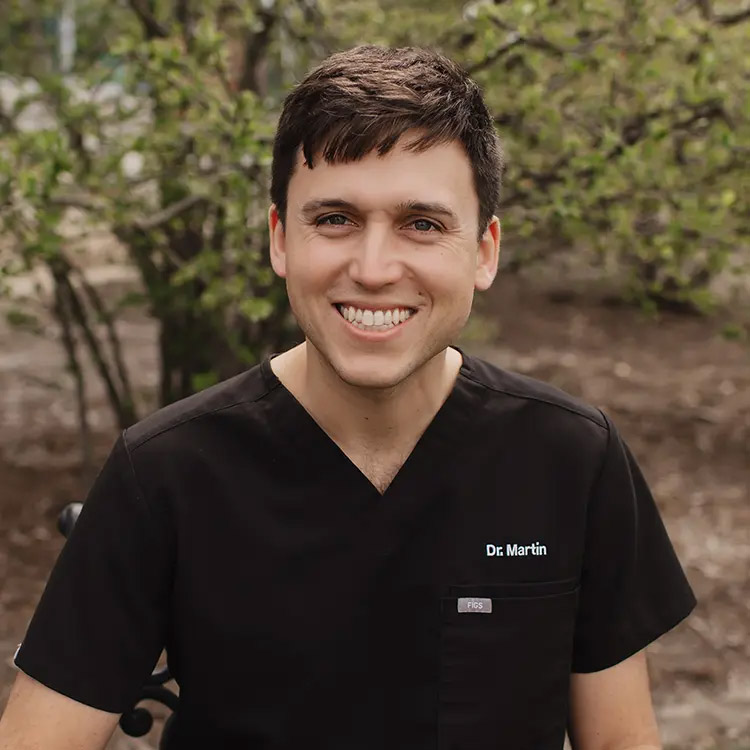
At Oral and Facial Surgery of the NorthShore, Dr. Stephen Martin understands that jaw pain can feel persistent and difficult to pinpoint. Every patient is guided through a thoughtful, step-by-step process that focuses on identifying the source of discomfort and creating a plan that supports long-term relief and stability.
To learn more about TMJ treatment in Chicago, IL, and Skokie, IL, patients are invited to call (224) 623-0709 or complete our online consultation form.
Quick Links
What Is TMJ Disorder?
TMJ disorder refers to dysfunction or irritation of the temporomandibular joint, which connects the lower jaw to the skull. This joint allows the jaw to move smoothly for talking, chewing, and other everyday functions.
When the joint becomes strained or misaligned, it can lead to a range of symptoms that affect both comfort and function. TMJ issues may develop due to factors such as teeth grinding, jaw clenching, injury, stress, or structural imbalances.
Because the jaw is involved in so many daily activities, even small disruptions in the joint can have a noticeable impact on overall comfort.
How Does TMJ Treatment Work?
TMJ treatment begins with a detailed evaluation of how the jaw, teeth, and surrounding muscles are functioning together.
Dr. Martin uses advanced imaging and a thorough clinical exam to identify the source of discomfort. From there, treatment is tailored based on what is contributing to the issue.
Treatment may involve:
- Bite adjustment or stabilization
- Oral appliances to reduce grinding or clenching
- Muscle relaxation strategies
- Targeted surgical intervention in more advanced cases
The goal is not just short-term relief but improving how the joint functions over time so that symptoms are less likely to return.
What Are the Benefits of TMJ Treatment?
TMJ treatment is focused on relieving discomfort while restoring more natural jaw movement:
Reduced Jaw Discomfort
Helps ease tension, tightness, and ongoing soreness in the jaw muscles and joints.
Improved Jaw Function
Supports smoother opening, closing, and movement of the jaw.
Relief from Headaches
Can reduce tension-related headaches connected to jaw strain.
Less Clicking or Popping
Addresses joint irregularities that cause noise or uneven movement.
Better Comfort While Eating
Makes chewing feel more natural and less restricted.
Prevention of Further Strain
Helps protect the joint from worsening irritation over time.
Improved Daily Comfort
Many patients feel more relaxed and at ease once jaw tension is reduced.
Where Is TMJ Treatment Focused?
TMJ treatment is centered around the temporomandibular joints, located on both sides of the jaw just in front of the ears.
It may address:
- Jaw joints and surrounding structures
- Muscles responsible for chewing and movement
- Bite alignment and tooth positioning
- Areas affected by tension or inflammation
Because the jaw works as part of a larger system, treatment often considers how these areas interact rather than focusing on a single point.
Who Is a Candidate for TMJ Treatment in Skokie, IL?
Many patients are unsure whether their symptoms are related to TMJ, which is completely understandable. Evaluation helps determine whether the joint is contributing to discomfort.
Patients may be good candidates if they:
- Experience jaw discomfort or tightness
- Notice clicking, popping, or locking of the jaw
- Have difficulty opening or closing the mouth fully
- Experience frequent tension headaches
- Grind or clench their teeth
- Feel discomfort when chewing
At Oral and Facial Surgery of the NorthShore, each patient is carefully evaluated. Dr. Martin explains what he sees, what it means, and whether TMJ treatment may help improve comfort and function.
TMJ Treatment Process at Oral and Facial Surgery of the NorthShore in Chicago, IL
For many patients, ongoing jaw discomfort can feel frustrating, especially when the cause is unclear. Dr. Martin has designed the process to feel structured, supportive, and easy to follow from beginning to end.
The TMJ Consultation
The process begins with a detailed consultation. Dr. Martin evaluates jaw movement, reviews imaging, and discusses symptoms in depth. Patients are encouraged to ask questions and share what they have been experiencing, so the full picture can be understood.
Developing a Treatment Plan
Based on the findings, a personalized treatment plan is created. This may involve conservative approaches first, with adjustments made over time depending on how symptoms respond.
TMJ Treatment
We conduct treatments in a calm and supportive setting. Whether the approach involves an appliance, adjustments, or a more advanced procedure, every step is explained clearly so that patients feel comfortable moving forward.
Follow-Up and Monitoring
Once the procedure is complete, patients receive clear, easy-to-follow instructions for healing at home. Dr. Martin provides guidance on managing swelling, caring for the surgical area, and easing back into normal routines. He and his team remain available to answer any questions and offer continued support as patients continue to heal.
Schedule a Consultation
From wisdom teeth to complex facial procedures, Dr. Stephen Martin delivers precise, compassionate surgical care designed to restore comfort, function, and confidence. We invite you to schedule your consultation by calling (224) 623-0709 or completing our convenient consultation form.
Sedation Options for TMJ Treatment
At Oral and Facial Surgery of the NorthShore, creating a calm and supportive environment is an important part of care. Jaw-related procedures can feel unfamiliar, and it is completely natural for patients to feel some level of anxiety beforehand.
Dr. Martin offers several safe and effective sedation options to help patients feel relaxed in a way that feels right for them. Each option is selected thoughtfully based on the type of treatment and patient preference.
Local Anesthesia
Local anesthesia numbs the treatment area, so patients remain comfortable throughout the procedure. Patients stay awake but typically feel only light pressure.
Nitrous Oxide (Laughing Gas)
Nitrous oxide is a gentle, inhaled option that helps patients feel calm and relaxed within minutes. It wears off quickly, making it a convenient choice for many patients.
Oral Sedation
Oral sedation involves taking medication before treatment to promote a deeper sense of relaxation. Patients remain awake but feel more at ease during the experience.
IV Sedation
For patients who prefer a deeper level of relaxation, IV sedation provides a calm, dream-like state. Dr. Martin carefully monitors comfort and safety throughout the procedure.
Recovery After TMJ Treatment
Recovery after TMJ treatment varies depending on the approach used, but most patients find the process manageable with the right guidance.
In the early stages, it is normal to notice some mild soreness or sensitivity as the jaw adjusts. This typically improves as the joint begins to function more comfortably.
Patients are usually advised to:
- Follow any appliance or treatment instructions carefully
- Avoid excessive strain on the jaw initially
- Maintain good oral hygiene
- Attend follow-up visits
Over time, many patients notice gradual improvements in comfort, movement, and overall jaw function.
Why Choose Oral and Facial Surgery of the NorthShore for TMJ Treatment?
At Oral and Facial Surgery of the NorthShore, care is centered around both clinical expertise and the overall patient experience.
Dr. Stephen Martin believes that patients remember how they felt throughout their care just as much as the outcome itself. Time is taken to ensure patients feel heard, informed, and never rushed. Every question is welcomed, and every step is explained clearly.
Dr. Martin is a board-certified oral and maxillofacial surgeon with extensive training in advanced surgical techniques. His background includes honors at Furman University, dental education at the Medical University of South Carolina, and a rigorous residency at John H. Stroger Jr. Hospital of Cook County and Rush University Medical Center, where he served as Chief Resident.
Most importantly, the entire team shares a commitment to creating an environment where patients feel supported, respected, and genuinely cared for at every stage. Advanced techniques and modern technology are combined with thoughtful communication to create an experience that feels both precise and personal.
How Much Is TMJ Treatment in Chicago, IL?
The cost of TMJ treatment can vary depending on the severity of symptoms and the type of treatment recommended.
Because care is highly individualized, the best way to understand cost is through a consultation. During this visit, Dr. Martin provides a clear explanation of the recommended approach and associated costs, so patients can make informed decisions with confidence.
Schedule a Consultation for TMJ Treatment in Chicago, IL
To learn more about TMJ treatment at Oral and Facial Surgery of the NorthShore, patients are encouraged to call (224) 623-0709 or complete the online consultation form. The team is available to answer questions, explain options, and help guide the next steps with clarity and care. Proudly serving patients in Evanston, IL, Skokie, IL, Lincolnwood, IL, Chicago, IL, Morton Grove, IL, Niles, IL, Wilmette, IL, Winnetka, IL, Northfield, IL, Park Ridge, IL, and Glenview, IL.
TMJ Treatment Chicago, IL – FAQs
What are the most common symptoms of TMJ?
Most people with TMJ notice jaw pain or aching, clicking or popping when they open or close their mouth, trouble opening wide, and frequent headaches. Many also feel tightness in the jaw or pain when chewing.
Does TMJ eventually go away by itself?
Sometimes mild cases settle down on their own, especially if patients are careful with what they eat and avoid clenching. But if it’s been bothersome for a while, getting it checked usually helps stop it from getting worse.
Is the treatment for TMJ painful?
Most treatments are pretty comfortable. Patients might feel a little sore afterward, but that usually fades pretty quickly.
Will I end up needing surgery for my TMJ?
The good news is most people don’t need surgery at all. A lot of patients do really well with simpler, non-invasive options. Surgery is only brought up when everything else hasn’t helped enough.
How long until I start feeling better?
It depends on what’s causing the problem and which treatment we use. Some people feel relief in a few weeks, while for others it takes a bit longer to see steady improvement.
Can TMJ cause headaches or ear pain?
Yes, it’s actually fairly common. The muscles and tension from the jaw can trigger headaches and make the ears feel uncomfortable. Treating the TMJ often helps ease those symptoms too.
What happens if I just ignore my TMJ?
If left alone, the symptoms can stick around or even get worse over time. Catching it early usually makes things a lot easier and prevents extra stress on the joint and muscles.