Corrective Jaw Surgery in
Chicago, IL
Corrective jaw surgery, also known as orthognathic surgery, is designed to improve both function and balance, helping patients feel more comfortable and confident in their daily lives.
At Oral and Facial Surgery of the NorthShore, Dr. Stephen Martin understands that jaw surgery is a significant decision. From the first consultation through recovery, patients are guided with clarity, patience, and a strong sense of support. Every step is explained in a way that helps patients feel informed and cared for throughout the entire process.
To learn more about corrective jaw surgery in Chicago, IL, patients are invited to call (224) 623-0709 or complete our online consultation form. We look forward to scheduling an appointment.
Quick Links
Why Might Corrective Jaw Surgery Be Needed?
Jaw misalignment can happen for lots of reasons, including genetics, an injury, or simply because the upper and lower jaws grew at different rates. Sometimes it’s obvious even when for younger patients, and other times it becomes more noticeable as patients age.
Patients may be considering corrective jaw surgery if they have been dealing with issues like:
- Trouble chewing or biting food properly
- Jaw pain, tightness, or ongoing discomfort
- Difficulty speaking clearly
- Breathing problems, including issues during sleep
- Features that look uneven or out of balance
- Teeth that are wearing down too quickly
Braces or other orthodontic work can fix some alignment problems, but in some cases, the issue can actually be in the bones of the jaw itself. If this is the case, surgery can often make a real, lasting difference by correcting the underlying structure.
What Is Corrective Jaw Surgery?
Corrective jaw surgery is a procedure that repositions the upper jaw, lower jaw, or both to improve alignment, function, and facial balance.
The procedure is carefully planned using advanced imaging and digital tools. Dr. Martin evaluates how the teeth, jaws, and facial structures work together, then creates a surgical plan designed to restore proper positioning.
Corrective jaw surgery is often performed in coordination with orthodontic treatment to ensure that both the teeth and the underlying jaw structure are aligned for long-term stability.
What Are the Benefits of Corrective Jaw Surgery?
Corrective jaw surgery can provide meaningful improvements in both function and overall comfort:
Improved Bite Function
Allows the teeth to come together more naturally, improving chewing and efficiency
Reduced Jaw Discomfort
Relieves strain on the jaw joints and surrounding muscles
Enhanced Facial Balance
Improves harmony and proportion of facial features
Better Speech Clarity
Can help address speech difficulties related to jaw positioning
Improved Breathing
In some cases, it helps open the airway and improve breathing patterns
Long-Term Oral Health
Reduces uneven wear on teeth and supports overall dental health
Increased Confidence
Many patients feel more comfortable with both function and appearance
Who Is a Candidate for Corrective Jaw Surgery in Skokie, IL?
Determining whether corrective jaw surgery is appropriate begins with a detailed evaluation. Not every patient with bite concerns will need surgery, but for those with structural misalignment, it can make a significant difference.
Patients may be good candidates if they:
- Have difficulty biting or chewing
- Experience jaw pain or fatigue
- Have noticeable facial imbalance
- Have been told orthodontics alone may not fully correct their bite
- Are in good overall health
At Oral and Facial Surgery of the NorthShore, Dr. Stephen Martin takes time to carefully evaluate each patient’s needs. He explains what he sees, what it means, and whether corrective jaw surgery may help improve both function and comfort.
Corrective Jaw Surgery Process at Oral and Facial Surgery of the NorthShore in Chicago, IL
For many patients, the idea of jaw surgery can feel overwhelming. Dr. Martin understands this and has designed the process to feel clear, supportive, and well-guided from beginning to end.
The Jaw Surgery Consultation
The process begins with a thorough consultation. Dr. Martin reviews imaging, evaluates jaw alignment, and discusses how the teeth and jaws are working together. Patients are encouraged to ask questions and take their time understanding the plan. This step ensures that each patient feels informed and comfortable before moving forward.
Preparing for Jaw Surgery
Corrective jaw surgery often involves coordination with orthodontic treatment before the procedure. Patients receive clear guidance on timing, preparation, and what to expect. Dr. Martin and his team walk patients through each phase, so they feel supported and prepared.
The Jaw Surgery Procedure
On the day of surgery, patients are welcomed into a calm, carefully prepared environment. Once anesthesia has taken effect, Dr. Martin repositions the jaw using precise surgical techniques. The bones are stabilized in their new position to support proper alignment and healing.
Every step is performed with careful attention to both function and long-term stability. Patients are closely monitored throughout the procedure to ensure safety and comfort.
Jaw Surgery Recovery
After surgery, patients receive detailed instructions to support healing at home. Dr. Martin provides guidance on diet, oral care, and activity levels during recovery. Follow-up visits are scheduled to monitor healing and ensure everything is progressing as expected.
Schedule a Consultation
From wisdom teeth to complex facial procedures, Dr. Stephen Martin delivers precise, compassionate surgical care designed to restore comfort, function, and confidence. We invite you to schedule your consultation by calling (224) 623-0709 or completing our convenient consultation form.
Sedation Options for Corrective Jaw Surgery
IV Sedation / General Anesthesia
For corrective jaw surgery, deeper levels of sedation or general anesthesia are typically used to ensure complete comfort. Dr. Martin and a board-certified anesthesiologist carefully monitor the patient throughout the procedure to maintain safety and stability.
Recovery After Corrective Jaw Surgery
Recovery after corrective jaw surgery is a gradual process, and patients are supported every step of the way.
In the first few days, swelling, stiffness, and soreness are normal and improve steadily over time. Patients are guided through a modified diet and given clear instructions on how to care for the surgical area while healing.
Most patients take time away from regular activities initially, with a gradual return to normal routines as healing progresses. Follow-up visits allow Dr. Martin to monitor recovery closely and provide reassurance throughout the process.
With proper care and guidance, patients typically notice steady improvements in comfort, function, and overall balance as healing continues.
Why Choose Oral and Facial Surgery of the NorthShore for Corrective Jaw Surgery?
At Oral and Facial Surgery of the NorthShore, care is centered around both clinical excellence and the patient experience.
Dr. Stephen Martin believes that patients remember how they felt throughout their care just as much as the outcome itself. Time is taken to ensure patients feel heard, informed, and never rushed. Every question is welcomed, and every step is explained clearly.
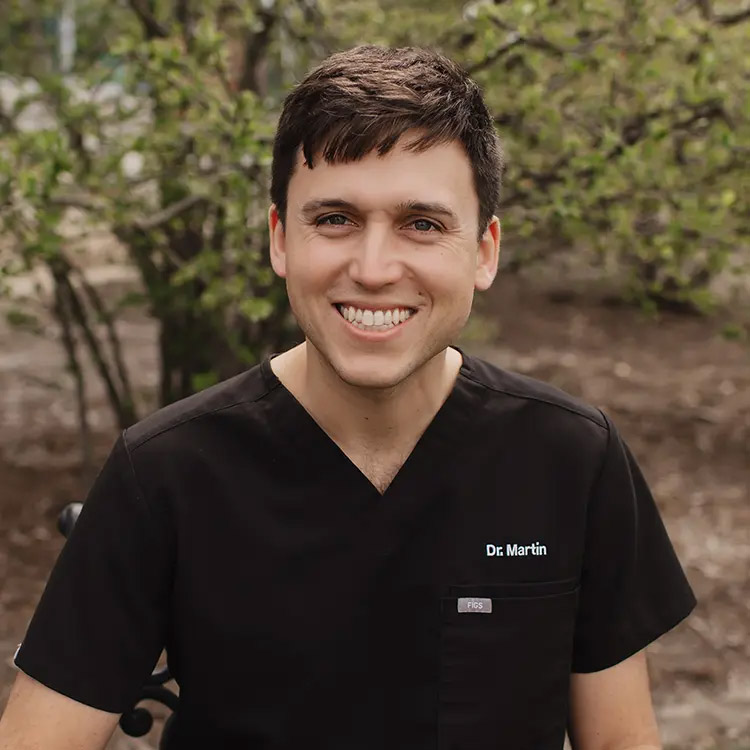
Dr. Martin is a board-certified oral and maxillofacial surgeon with extensive training in advanced surgical techniques. His background includes honors at Furman University, dental education at the Medical University of South Carolina, and a rigorous residency at John H. Stroger Jr. Hospital of Cook County and Rush University Medical Center, where he served as Chief Resident.
Most importantly, the entire team shares a commitment to creating an environment where patients feel supported, respected, and genuinely cared for at every stage. Advanced techniques and modern technology are combined with thoughtful communication to create an experience that feels both precise and personal.
How Much Does Corrective Jaw Surgery Cost in Chicago, IL?
The cost of corrective jaw surgery can vary depending on the complexity of the case, whether one or both jaws are involved, and the coordination required with orthodontic treatment.
Because each case is highly individualized, the best way to understand cost is through a consultation. During this visit, Dr. Martin provides a detailed treatment plan and explains all aspects of care so patients can make informed decisions with confidence.
Schedule a Consultation for Corrective Jaw Surgery in Chicago, IL
To learn more about corrective jaw surgery at Oral and Facial Surgery of the NorthShore, patients are encouraged to call (224) 623-0709 or complete the online consultation form. The team is available to answer questions, explain options, and help guide the next steps with clarity and care. Proudly serving patients in Evanston, IL, Skokie, IL, Lincolnwood, IL, Chicago, IL, Morton Grove, IL, Niles, IL, Wilmette, IL, Winnetka, IL, Northfield, IL, Park Ridge, IL, and Glenview, IL.
Corrective Jaw Surgery in Chicago – FAQs
Is corrective jaw surgery only for severe cases?
Not necessarily. Some people get it because their jaw misalignment is really obvious, but plenty of others choose surgery to fix functional problems (like pain, poor bite, or chewing difficulties) that braces alone can’t solve. A consultation is the best way to figure out what makes sense for each patient’s unique situation.
Does corrective jaw surgery change a patient’s appearance?
Yes, it can, but usually in a subtle, natural way. The main goal is to bring the jaws and face to better balance and harmony. Most patients end up with improved symmetry and proportion that still looks like them, just a more balanced version.
Is the procedure uncomfortable?
Since surgery itself is done under anesthesia, patients will not feel anything during it. Afterward, there’s usually some soreness and swelling, which is totally normal. Most people find it manageable with the right pain management and care, and it gets better week by week.
How long does recovery take?
The first couple of weeks are the toughest, but most people start feeling much better after that. Full healing and final results can take several months. Patients will receive clear guidance every step of the way, so they know exactly what to expect.
Will I still need braces or orthodontic treatment?
Almost always, yes. Braces are usually worn before and after surgery to get the teeth lined up perfectly with the new jaw position. Dr. Martin works closely with the patient’s orthodontist to make sure everything is coordinated.
Can corrective jaw surgery help with breathing issues?
It can in some cases. Repositioning the jaws can open up the airway and make breathing easier, especially at night. This is something we evaluate carefully during each consultation.
Is corrective jaw surgery safe?
Yes, it’s considered a safe and routine procedure when done by an experienced oral and maxillofacial surgeon. Dr. Martin plans every case thoroughly and uses modern techniques to keep things as safe and predictable as possible.