
Zygomatic Implants in Chicago, IL
Zygomatic implants offer a different path, one that can restore a full smile without relying on the jawbone in the same way.
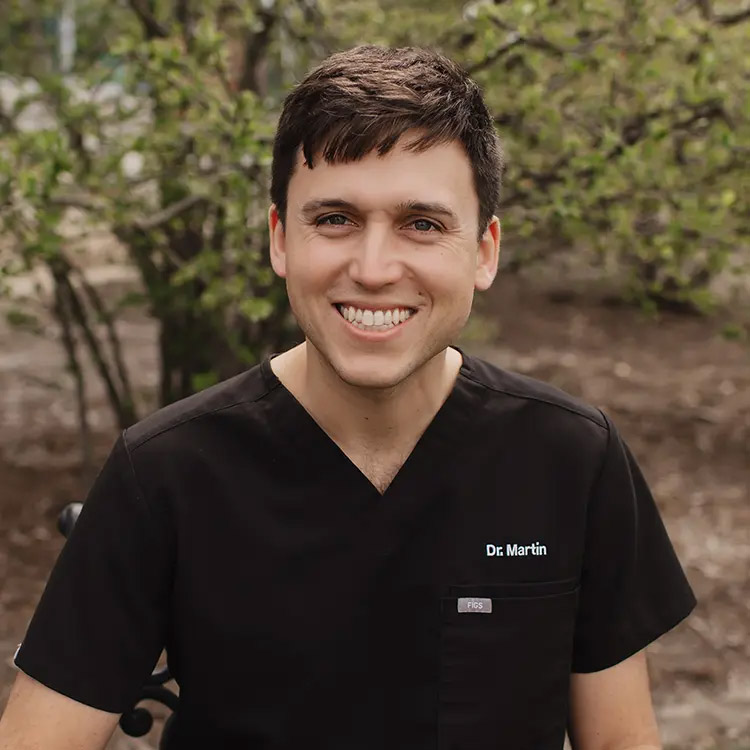
At Oral and Facial Surgery of the NorthShore, Dr. Stephen Martin approaches zygomatic implants with careful planning, advanced imaging, and a strong focus on patient experience. From the first conversation through recovery, patients are guided in a way that feels clear, supportive, and never rushed, so they can move forward with confidence.
To learn more about zygomatic implants in Chicago, IL and Skokie, IL, patients are invited to schedule a consultation by calling (224) 623-0709 or completing our online form.
Quick Links
What Are Zygomatic Implants?
Zygomatic implants are a specialized type of dental implant designed for patients with significant bone loss in the upper jaw.
Unlike traditional dental implants, which are placed directly into the jawbone, zygomatic implants are anchored into the cheekbone (zygoma). This bone is naturally dense and stable, making it a reliable foundation for supporting a full arch of teeth.
Zygomatic implants are often part of a broader treatment plan that may include solutions such as All-on-4® dental implants, implant-supported dentures, multiple dental implants, or 3D guided implant surgery, depending on each patient’s anatomy and goals.
For many patients, this approach can eliminate the need for extensive bone grafting procedures and allow treatment to move forward more efficiently.
How Do Zygomatic Implants Work?
Zygomatic implants rely on precise planning and advanced surgical techniques to achieve stability.
- Implant Placement: Instead of placing implants into the upper jawbone, longer implants are carefully positioned into the cheekbone. This allows Dr. Martin to bypass areas where bone volume may be insufficient.
- Immediate or Early Restoration: In some cases, a temporary prosthetic can be attached shortly after placement, allowing patients to leave with a functional smile.
- Healing and Integration: Over time, the implants integrate with the surrounding bone, creating a strong and stable foundation.
- Final Restoration: Once healing is complete, a custom-designed prosthetic is placed to restore both function and aesthetics.
Dr. Martin uses advanced imaging and digital planning to ensure each implant is positioned with precision and long-term stability in mind.
What Are the Benefits of Zygomatic Implants?
Zygomatic implants provide several important advantages for patients who may not be candidates for traditional implants.
Avoiding Bone Grafting
Patients with significant bone loss can often move forward without the need for sinus lifts or grafting procedures.
Stronger Foundation
The cheekbone provides dense, stable support for long-term implant success.
Faster Treatment Timeline
In many cases, treatment can be completed more efficiently compared to staged grafting and implant placement.
Immediate Function in Some Cases
Patients may qualify for temporary teeth soon after implant placement.
Restored Facial Support
Implants help maintain facial structure, which can be affected by bone loss over time.
Long-Term Stability
Zygomatic implants are designed to provide a durable, lasting solution for full-arch restoration.
Renewed Confidence
Patients are often able to return to eating, speaking, and smiling with greater comfort and ease.
Are You a Candidate for Zygomatic Implants in Skokie, IL?
Zygomatic implants are designed for patients who may not qualify for traditional dental implants.
Patients may be good candidates if they:
- Have experienced significant bone loss in the upper jaw
- Have been told they need bone grafting for implants
- Are missing most or all upper teeth
- Are looking for a more efficient alternative to staged procedures
- Are in good overall health
Even patients who have been previously turned away for implant treatment may still be candidates for zygomatic implants.
At Oral and Facial Surgery of the NorthShore, each patient is carefully evaluated to determine the most appropriate and predictable treatment approach.
Where Are Zygomatic Implants Used?
Zygomatic implants are typically used in the upper jaw (maxilla), especially in cases where traditional implants may not be possible due to bone loss. In many cases, zygomatic implants are combined with traditional implants to create a balanced and secure foundation for a full set of teeth. During consultation, Dr. Martin evaluates bone structure, oral health, and treatment goals to determine whether this approach is the most effective option.
They are often recommended for patients:
- With severe upper jawbone loss
- Who have been told they are not candidates for traditional implants
- Looking to avoid bone grafting or sinus lift procedures
- Seeking a full-arch restoration solution
What Happens During Zygomatic Implant Treatment?
For many patients, being told they may need a more advanced implant solution can feel overwhelming at first. Dr. Martin understands this, which is why the entire zygomatic implant process is designed to feel clear, supportive, and thoughtfully guided from beginning to end. Each step is explained in a way that helps patients feel informed, comfortable, and confident moving forward.
The Consultation
Zygomatic implant treatment begins with a detailed and informative consultation. Dr. Martin uses advanced imaging and digital planning tools to evaluate bone structure and determine whether zygomatic implants are the right approach. He takes time to explain what’s happening, why this solution may be recommended, and how it can restore function and stability. Patients are encouraged to ask questions, share concerns, and fully understand their options before making any decisions.
Preparing for the Procedure
Once a plan is established, patients are guided through how to prepare for surgery. Dr. Martin and his team provide clear instructions, review sedation options, and make sure patients feel ready and supported leading up to their appointment. Every effort is made to remove uncertainty and replace it with clarity.
Zygomatic Implant Placement
On the day of the procedure, patients are welcomed into a calm, well-prepared environment. After sedation is administered and comfort is ensured, Dr. Martin begins the implant placement process using precise, guided techniques.
Zygomatic implants are carefully positioned into the cheekbone rather than the upper jaw, allowing for a stable foundation even in areas where bone loss has occurred. Because of the advanced planning involved, placement is controlled and efficient. Patients typically experience a sense of pressure rather than discomfort during the procedure.
Temporary Teeth Placement
In many cases, a temporary set of teeth can be secured shortly after the implants are placed. This allows patients to leave with a functional, natural-looking smile rather than going without teeth during the healing phase.
Recovery After Zygomatic Implants
After the procedure, patients are provided with clear, easy-to-follow instructions to support healing at home. Mild swelling or soreness is expected in the first few days and gradually improves. A soft food diet is recommended while the implants begin to integrate with the bone.
Dr. Martin and his team remain available throughout the recovery period to answer questions, provide reassurance, and ensure healing is progressing as expected. The goal is not only a strong, long-term result, but also an experience where patients feel supported every step of the way.
Schedule a Consultation
From wisdom teeth to complex facial procedures, Dr. Stephen Martin delivers precise, compassionate surgical care designed to restore comfort, function, and confidence. We invite you to schedule your consultation by calling (224) 623-0709 or completing our convenient consultation form.
Sedation Options for Zygomatic Implants
At Oral and Facial Surgery of the NorthShore, creating a calm and supportive experience is an essential part of care. Zygomatic implant treatment is more advanced than many routine procedures, and it’s completely natural for patients to feel some level of uncertainty beforehand. Dr. Martin offers several safe and effective sedation options to help patients feel relaxed and at ease throughout the process. Each option is selected thoughtfully based on the procedure and the patient’s comfort level. During the consultation, time is taken to explain what to expect and help guide patients toward the option that feels most reassuring.
Local Anesthesia
Local anesthesia is used to numb the areas where the implants are placed, allowing patients to remain comfortable throughout the procedure. Patients stay awake, but the treated areas are fully desensitized, so only light pressure may be noticed. This option may be appropriate in select cases or when combined with other forms of sedation.
Nitrous Oxide (Laughing Gas)
Nitrous oxide is a gentle, inhaled option that helps patients feel calm within minutes. It creates a relaxed, comfortable sensation while allowing patients to remain awake and responsive. Because the effects wear off quickly, many patients appreciate the convenience and ease of this option for managing mild anxiety.
Oral Sedation
Oral sedation involves taking prescribed medication before the appointment to promote a deeper sense of relaxation. Patients remain awake but often feel very at ease and less aware of the procedure as it takes place. Since the calming effects can last for several hours, patients will need someone to accompany them to and from their visit.
IV Sedation
For zygomatic implant procedures, IV sedation is often recommended. It allows patients to remain in a calm, dream-like state while Dr. Martin carefully monitors comfort and safety throughout the procedure. Many patients remember very little of the experience afterwards, which can make the process feel much more manageable.
Recovery After Zygomatic Implants
Recovery after zygomatic implant placement is typically manageable with the right guidance and support. Dr. Martin and his team ensure that every patient leaves with clear instructions, helpful recommendations, and the reassurance that they are cared for well beyond the day of surgery.
In the first few days, it is normal to experience swelling, mild soreness, or a feeling of tightness in the facial area. These are expected parts of the healing process and gradually improve over time. Detailed aftercare instructions are provided, including how to manage swelling, what foods are most comfortable to eat, and how to keep the mouth clean while protecting the surgical areas.
During the early phase of healing, patients are encouraged to rest and follow a soft food diet to avoid placing unnecessary pressure on the implants. Most patients can return to normal daily routines within a few days, depending on the extent of their treatment. Foods such as smoothies, soups, yogurt, and other soft options are typically well tolerated during this time.
Dr. Martin also explains how to gently maintain oral hygiene without disrupting healing tissues. Any discomfort can usually be managed with over-the-counter medication or prescriptions provided as needed. Throughout recovery, the team remains available to answer questions, offer reassurance, and monitor healing to ensure everything is progressing as expected.
Why Choose Oral and Facial Surgery of the NorthShore for Zygomatic Implants?
At Oral and Facial Surgery of the NorthShore, care is centred around both advanced technique and patient experience.
Dr. Stephen Martin believes that patients remember how they felt throughout their care just as much as the outcome itself. Time is taken to ensure patients understand their options, feel comfortable asking questions, and never feel rushed.
With advanced training in complex implant procedures, including zygomatic implants, along with the use of modern digital planning and guided surgery, Dr. Martin provides thoughtful, precise care designed for long-term success.
The entire team is committed to creating an environment where patients feel supported, respected, and genuinely cared for every step of the way.
Schedule Your Zygomatic Implant Consultation in Chicago, IL
For patients who have been told they are not candidates for traditional dental implants, zygomatic implants may offer a new path forward.
To learn more about zygomatic implants at Oral and Facial Surgery of the NorthShore, patients are encouraged to call (224) 623-0709 or contact the office online to schedule a consultation. The team is available to answer questions, explain options, and help guide the next steps toward restoring a stable, confident smile. Proudly serving patients in Evanston, IL, Skokie, IL, Lincolnwood, IL, Chicago, IL, Morton Grove, IL, Niles, IL, Wilmette, IL, Winnetka, IL, Northfield, IL, Park Ridge, IL, and Glenview, IL.
Zygomatic Implants Skokie, IL – FAQs
What makes zygomatic implants different from traditional dental implants?
Zygomatic implants are longer and anchor into the cheekbone rather than the upper jaw. This allows treatment to move forward even when there is significant bone loss, without requiring additional grafting procedures in many cases.
Are zygomatic implants safe?
Yes. When performed by an experienced oral and maxillofacial surgeon, zygomatic implants are a well-established and predictable solution. Careful planning and imaging are used to ensure precise placement and long-term stability.
Do zygomatic implants feel like natural teeth?
Once healing is complete and the final restoration is placed, most patients find that their teeth feel stable and natural. Because the implants are securely anchored, there is no movement or shifting.
Is the procedure uncomfortable?
Comfort is a priority throughout the process. The area is fully numbed, and sedation options are available to help patients feel relaxed. Most patients report feeling pressure rather than discomfort during the procedure.
How long do zygomatic implants last?
With proper care, zygomatic implants are designed to be a long-term solution. The implants themselves can last for many years, while the prosthetic teeth may require maintenance over time.
Can zygomatic implants be combined with other implant options?
Yes. In many cases, zygomatic implants are used alongside traditional implants to create a balanced and stable foundation for a full arch of teeth. Dr. Martin explains how different approaches can be combined to achieve the best result.
What if a patient has already been told they are not a candidate for implants?
Zygomatic implants are often specifically recommended for patients who have been told they do not have enough bone for traditional implants. A consultation provides an opportunity to re-evaluate options and determine whether this approach may be appropriate.