
Dental Extractions in Chicago, IL
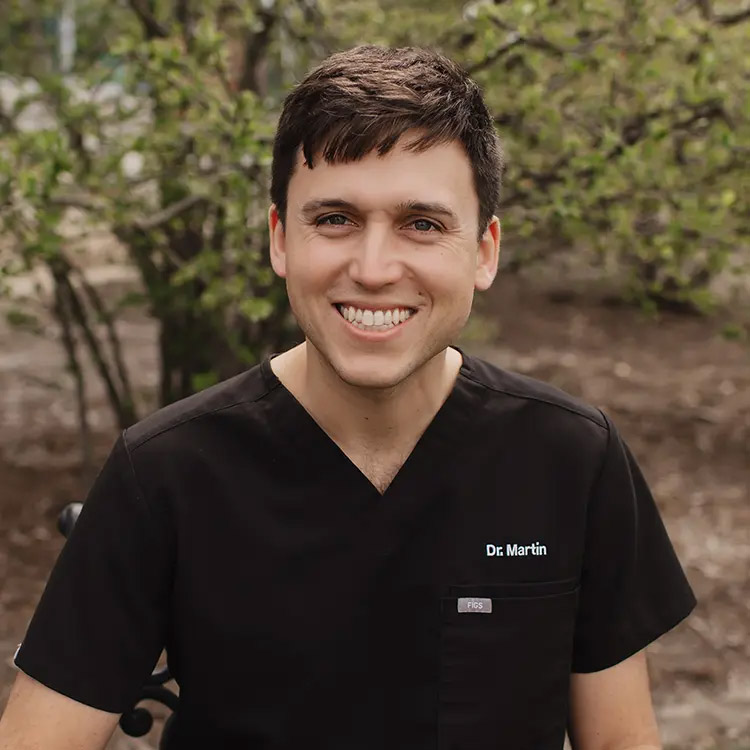
At Oral and Facial Surgery of the NorthShore, Dr. Stephen Martin approaches every dental extraction with a focus on comfort, clarity, and thoughtful care.
Patients are never rushed through the process. Instead, Dr. Martin takes plenty of time to explain what’s happening, why the extraction is recommended, and how the procedure will support long-term oral health. Whether a tooth is damaged, infected, or no longer functioning properly, patients are guided through each step with reassurance and a sense of confidence.
To learn more about dental extractions in Skokie, IL & Chicago, IL, with Dr. Stephen Martin, we invite patients to schedule a consultation by calling (224) 623-0709 or completing our convenient consultation form.
Quick Links
Why Would a Tooth Need to Be Extracted?
While preserving natural teeth is always the goal, there are situations where removing a tooth is the healthiest option. Many patients are surprised to learn that extractions are often recommended not because something has gone wrong, but because keeping the tooth could lead to more complex issues over time.
One of the most common reasons for extraction is severe tooth decay or damage. When a tooth cannot be saved with a filling, crown, or root canal, removing it helps prevent infection from spreading to nearby teeth or surrounding bone.
In other cases, advanced gum disease can weaken the structures that support a tooth, causing it to become loose. Removing the affected tooth allows the surrounding tissue to heal and helps protect the rest of the smile.
Dental extractions may also be recommended to relieve crowding, prepare for orthodontic treatment, or remove teeth that have fractured below the gum line. Regardless of the reason, the goal is always to improve comfort, function, and long-term oral health.
What Is a Dental Extraction?
A dental extraction is a carefully planned procedure that involves removing a tooth from its socket in the jawbone. While the idea of removing a tooth may feel overwhelming, the procedure itself is often straightforward and designed with patient comfort in mind.
There are two general types of dental extractions:
- Simple Extractions: Performed when a tooth is visible above the gum line and can be gently loosened and removed.
- Surgical Extractions: Used when a tooth is broken, impacted, or located beneath the gum. In these cases, a small opening is made to access and remove the tooth safely.
Dr. Martin uses advanced techniques and modern technology to ensure that each extraction is as precise and minimally disruptive as possible. His goal is not only to remove the tooth but also to preserve the surrounding tissue and set the stage for proper healing or future treatment to replace the missing tooth.
What Are the Benefits of Dental Extractions?
When a tooth is no longer healthy or functional, removing it can provide meaningful benefits for both comfort and long-term oral health, including:
Relief from Discomfort
Removing a damaged or infected tooth helps eliminate the source of soreness and sensitivity.
Prevention of Infection Spread
Extracting a compromised tooth helps protect surrounding teeth, bone, and soft tissue from infection.
Improved Oral Health
Removing problematic teeth creates a healthier environment for the remaining teeth and gums.
Support for Future Treatment
Extractions often make way for restorative solutions such as dental implants or orthodontic care.
Reduced Crowding
In some cases, removing a tooth can improve spacing and alignment within the smile.
Peace of Mind
Patients often feel reassured knowing that a source of ongoing or potential problems has been addressed.
Who Is a Good Candidate for Dental Extractions in Skokie, IL?
Many patients are unsure whether an extraction is truly necessary, which is completely understandable. In most cases, the recommendation comes after a thorough evaluation and careful consideration of all available options.
Patients may be candidates for dental extractions if they:
- Have a tooth that is severely decayed or damaged beyond repair
- Are experiencing infection or swelling around a tooth
- Have advanced gum disease affecting tooth stability
- Have overcrowding that may interfere with orthodontic treatment
- Have a fractured tooth that cannot be restored
- Have retained baby teeth or teeth that are not properly erupting
At Oral and Facial Surgery of the NorthShore, Dr. Martin takes time to review imaging, explain findings clearly, and answer questions so patients feel comfortable with their care plan. Each recommendation is made with the patient’s overall health, comfort, and long-term outcome in mind.
Dental Extraction Process at Oral and Facial Surgery of the NorthShore in Chicago, IL
For many patients, understanding what to expect can make the entire experience feel much more manageable. Dr. Martin has designed the dental extraction process to be clear, supportive, and centered around patient comfort.
The Consultation
The process begins with a comprehensive consultation. Dr. Martin reviews imaging, evaluates the affected tooth, and explains why an extraction may be recommended. Patients are encouraged to ask questions and take their time understanding the next steps. This conversation helps build confidence and ensures that every patient feels heard and supported.
Preparing for the Extraction Procedure
Once a plan is in place, patients receive detailed instructions to help them prepare. This may include guidance on eating, medications, and what to expect on the day of the procedure. Dr. Martin and his team make sure that patients feel informed and comfortable before arriving for their appointment.
The Dental Extraction Procedure
On the day of the procedure, patients are welcomed into a calm and supportive environment. After anesthesia or sedation is administered, Dr. Martin begins the extraction.
For simple extractions, the tooth is gently loosened and removed in a controlled manner. Patients typically feel pressure rather than discomfort.
For surgical extractions, a small opening is made in the gum to access the tooth. Dr. Martin carefully removes the tooth while preserving the surrounding structures.
Once the tooth has been removed, the area is cleaned and, if needed, small dissolving sutures are placed to support healing. Patients are then guided through the next steps with clear instructions.
Recovery After Dental Extraction
After the procedure, patients receive detailed aftercare guidance to support healing at home. Dr. Martin and his team remain available to answer questions and provide reassurance throughout recovery.
Schedule a Consultation
From wisdom teeth to complex facial procedures, Dr. Stephen Martin delivers precise, compassionate surgical care designed to restore comfort, function, and confidence. We invite you to schedule your consultation by calling (224) 623-0709 or completing our convenient consultation form.
Sedation Options for Dental Extractions
At Oral and Facial Surgery of the NorthShore, patient comfort is always a priority. Dental anxiety is common, and Dr. Martin offers several safe and effective sedation options to help patients feel at ease throughout their procedure.
Local Anesthesia
Local anesthesia numbs the area surrounding the tooth, so patients remain comfortable during the procedure. Patients stay awake but feel only light pressure. This option works well for those who feel at ease in a dental setting and prefer a straightforward approach.
Nitrous Oxide (Laughing Gas)
Nitrous oxide is a gentle inhaled sedation that helps patients feel relaxed within minutes. It creates a calm sensation without putting patients to sleep, and its effects wear off quickly after the procedure.
Oral Sedation
Oral sedation involves taking prescribed medication before the appointment to promote a deeper level of relaxation. Patients remain responsive but often feel less aware of the procedure. Because the effects last longer, transportation to and from the appointment is required.
IV Sedation
IV sedation provides a deeper, more controlled state of relaxation. Patients often remember little of the procedure, making it a helpful option for those with higher levels of anxiety or more complex extractions.
Recovery After Dental Extractions in Chicago
Recovery after a dental extraction is typically smooth when patients follow the recommended aftercare instructions. Dr. Martin ensures that each patient leaves with clear guidance and ongoing support.
In the first 24 hours, mild swelling, tenderness, or minor bleeding may occur. Rest and gentle care of the area help support early healing.
Over the next several days, swelling gradually improves and patients can begin returning to normal routines. Soft foods such as soups, yogurt, and smoothies are recommended to avoid unnecessary pressure on the area.
Within one to two weeks, the extraction site continues to heal and strengthen. Maintaining proper oral hygiene, avoiding disruption to the area, and following instructions closely all contribute to a smooth recovery.
Dr. Martin and his team remain available throughout the healing process to answer questions and ensure everything is progressing as expected.
Why Choose Oral and Facial Surgery of the NorthShore for Dental Extractions?
At Oral and Facial Surgery of the NorthShore, dental extractions are approached with a balance of clinical precision and genuine compassion. Dr. Stephen Martin believes that patients remember how they are cared for just as much as the results of the procedure, and that philosophy guides every interaction.
Patients benefit from advanced techniques, modern technology, and a surgeon who is committed to ongoing learning and improvement. Dr. Martin completed his oral and maxillofacial surgery residency at John H. Stroger Jr. Hospital of Cook County and Rush University Medical Center, where he served as Chief Resident, and he is a Diplomate of the American Board of Oral and Maxillofacial Surgery.
Equally important is the experience patients have throughout their care. Every consultation is thorough, every question is welcomed, and every patient is treated with patience and respect. From simple extractions to more complex cases, the focus remains the same: delivering outstanding care while making patients feel comfortable, supported, and confident in their treatment.
Schedule a Dental Extraction Consultation in Chicago, IL
To learn more about dental extractions at Oral and Facial Surgery of the NorthShore, patients are invited to call (224) 623-0709 or complete the online consultation form. A member of the team will be happy to assist with scheduling and answer any initial questions. Proudly serving patients in Evanston, IL, Skokie, IL, Lincolnwood, IL, Chicago, IL, Morton Grove, IL, Niles, IL, Wilmette, IL, Winnetka, IL, Northfield, IL, Park Ridge, IL, and Glenview, IL.
Dental Extractions FAQs
Does a dental extraction hurt?
Some soreness after an extraction is completely normal, but the procedure itself is designed to be comfortable. With the use of anesthesia and sedation options, patients typically feel only pressure during the extraction.
How long does it take to recover from a dental extraction?
Most patients return to normal daily activities within a few days. Initial healing occurs within one to two weeks, although full healing of the area may take longer depending on the case.
What should patients eat after a dental extraction?
Soft foods such as yogurt, mashed potatoes, smoothies, and soups are recommended during the early stages of recovery. These foods help protect the area while it heals.
Are dental extractions always necessary?
Not always. Dr. Martin carefully evaluates each situation and recommends extraction only when it is the best option for protecting long-term oral health.
Can a tooth be replaced after an extraction?
Yes. Many patients choose to replace an extracted tooth with a dental implant or another nonsurgical option. Dr. Martin discusses these options as part of the overall treatment plan when appropriate.
What is dry socket, and how can it be avoided?
Dry socket occurs when the protective blood clot at the extraction site becomes dislodged. Following aftercare instructions, avoiding straws, and not smoking during recovery all help reduce this risk.